



Did you know that evidence-based restaurants have a 23% higher survival rate?
Restaurants that adopt menu planning based on actual sales data are more likely to thrive in this competitive industry. Data analytics can boost restaurant revenue by 10%, cut costs by 5%, and lead to a 2% profit increase through optimized pricing.
Menu planning plays a crucial role in restaurant success. Your sales data analysis helps identify items with low profit margins and reveals customer favorites that could boost your business. Gone are the days when gut feelings and personal priorities drove menu planning – successful restaurants now rely on solid numbers.
Menu planning involves many moving parts. Sales data gives you deeper insights into your customers’ dining behaviors and priorities. Many menu planning strategies exist, and they all need one essential ingredient: reliable sales information.
This piece will guide you through menu planning steps using your sales reports. A well-laid-out menu can tap into several benefits for your business. You’ll see higher profit margins, smoother kitchen operations, and happier customers. Let’s see how your restaurant data can power smarter menu decisions.
Understand What Sales Reports Reveal
Sales reports are like hidden treasure maps for your restaurant. They reveal the real story behind your business performance, not just daily transactions.
Key metrics to track in restaurant sales reports
Restaurant success depends on monitoring several key performance metrics:
➤ Sales Volume: This straightforward metric tracks your total revenue over specific periods (daily, weekly, monthly) and helps identify trends and peak hours.
➤ Break-even Point: This measures the sales volume required to recoup investments—calculated as Total Fixed Costs / Contribution Margin. Knowing this point tells you exactly when you’ve covered costs and started generating profit.
➤ Gross Profit: Found by subtracting Cost of Goods Sold (COGS) from total sales, this metric shows how much money your restaurant makes after accounting for food costs.
➤ Labor Cost Percentage: This tracks labor costs as a percentage of sales, with healthy restaurants maintaining between 20%-35%. The formula is simple: Labor Cost Percentage = (Labor Costs / Total Sales) x 100.
➤ Prime Cost: Adding COGS and labor costs gives you prime cost—ideally around 60% of sales for full-service restaurants. Above 70% suggests your costs are too high.
➤ Food Cost Percentage: This metric reveals the difference between production cost and menu price, generally targeted at 20%-40% for most restaurants.
How to access and interpret POS data?
Modern POS systems do much more than process payments. They’re data goldmines that collect information from terminals, tablets, kiosks, and online ordering apps.
Accessing this data is straightforward through your restaurant POS software’s reporting dashboard, viewable from your desktop, tablet, or mobile app. You can see real-time insights wherever you are.
To interpret POS data, look for patterns rather than isolated numbers. You might notice higher alcohol sales on weekends—an insight that could lead to weekend drink specials. Analyzing which items sell together helps with menu placement and combination deals.
The most valuable part of POS analysis comes from turning insights into action. If data shows certain menu items consistently underperforming, revise pricing, remove them, or bundle them with popular dishes.
Common mistakes when reading sales data
Even with great data, restaurants make critical errors in analysis:
First, many managers overlook valuable insights that sales data provides, missing opportunities for growth and optimization. This usually happens when focusing only on total revenue rather than diving deeper into individual item performance.
Second, incorrect categorization distorts sales reports and leads to flawed decisions—like miscategorizing food expenses as maintenance. This creates an inaccurate picture of your true operational costs.
Third, poor inventory management remains among the most costly restaurant mistakes. Without accurate inventory tracking, you may miss sales opportunities due to stockouts or waste money through spoilage.
Lastly, analyzing data without context leads to misinterpretation. If sales of a specific item drop, consider external factors like seasonal changes before making drastic menu decisions.
By understanding what your sales reports truly reveal and avoiding these common pitfalls, you’ll establish solid foundations for effective menu planning that drives profitability and customer satisfaction.
Identify Top and Low Performing Menu Items
Beyond just counting orders, identifying which menu items truly drive your business forward is significant for long-term success. Analyzing your menu performance helps uncover exactly which dishes drive profits and which ones silently drain them.
Use sales volume to find customer favorites
Sales volume serves as a reliable barometer revealing the popularity and market just need for each dish on your menu. This straightforward calculation involves tracking the total units of specific menu items sold over a defined period.
Look for these patterns in sales data:
➤ Consistent performers that maintain steady sales whatever the season or day
➤ Rising stars showing increasing popularity over time
➤ Seasonal favorites that peak during specific times of year
Your POS system holds valuable insights when tracking what actually sells. By exporting sales reports over set periods—monthly, quarterly, or seasonally—you can identify which dishes drive volume and which just take up menu space.
Notably, some items may feel popular because customers ask about them or staff members rave about them, but the data often tells a different story. A so-called signature dish might only be ordered occasionally, while a quiet top-seller could be doing the heavy lifting for your revenue.
Compare popularity with profit margins
The real insight comes from combining cost, margin, and velocity data to determine which items pull their weight financially. To properly assess menu items, organize them by both profitability and popularity.
Start by calculating the contribution margin (CM) for each menu item: Contribution Margin = Menu Price – Food Cost
For example, if your chicken sandwich sells for ₹589.82 with food costs of ₹176.36, its contribution margin would be ₹413.46. This shows how much each dish contributes to covering fixed costs and generating profit.
Menu engineering categorizes your dishes into four groups based on this analysis:
- Stars: High profitability + high popularity – These items should be prominently featured and promoted
- Plowhorses: Low profitability + high popularity – Consider adjusting prices, portions, or ingredients
- Puzzles: High profitability + low popularity – Need better positioning or marketing
- Dogs: Low profitability + low popularity – Prime candidates for removal
Understanding this matrix helps you make strategic decisions about menu placement and which items to highlight or modify.
Spot underperforming dishes to remove or improve
Low sales volume often signals menu item problems that need addressing. Items with both low profitability and popularity (Dogs) take up valuable menu space without contributing to your success.
Before removing underperforming items, ask yourself:
- Do they serve a niche market (vegan, gluten-free)?
- Are they needed for customer expectations?
- Could they work better as limited-time specials?
For items that sell poorly but have high margins (Puzzles), try these improvement strategies: ➤ Reevaluate menu placement—are they easy to spot? ➤ Refresh the item name or description ➤ Highlight them as “Chef’s Picks” or “House Favorites”
On top of that, items that are popular but have low margins (Plowhorses) present opportunities to improve profitability through portion control, ingredient swaps, or streamlining prep procedures.
This analytical approach brings impressive results. Maru Hospitality Group implemented menu performance analysis and saw a ₹75,942,410 increase in sales within just one year, along with a ₹25,314,140 reduction in food product purchases, improving overall food cost by more than 3%.
Use Orgnyz Free to easily track your menu performance metrics and gain useful insights without complex spreadsheets. With proper menu analysis, you’ll identify opportunities to feature high-margin favorites, adjust underperforming items, and create a more profitable menu that customers love.
Apply Menu Engineering Techniques
Once you’ve analyzed your menu data, it’s time to turn those insights into strategic action. Menu engineering helps you make evidence-based decisions that boost profitability and keep customers happy.

Segment items into Stars, Plowhorses, Puzzles, and Dogs
The profit-popularity matrix is the foundation of effective menu engineering, dividing your menu items into four distinct categories based on their performance:
➤ Stars combine high profitability with high popularity. These money-makers deserve prime menu real estate and protection from cost increases.
➤ Plowhorses (also called Workhorses) enjoy high popularity but yield lower profits. These traffic drivers need cost reduction opportunities or subtle price increases.
➤ Puzzles offer high profitability but struggle with popularity. These hidden gems need repositioning, improved descriptions, or server recommendations.
➤ Dogs perform poorly in both profitability and popularity. This menu deadweight should be reimagined or replaced.
Adjust pricing and portions for better margins
After categorizing your menu items, apply these strategic adjustments:
For Stars, maintain ingredient quality to preserve customer satisfaction. Avoid discounting since demand is already strong.
With Plowhorses, try slightly adjusting portion sizes or swapping expensive ingredients for similar but more affordable alternatives. It also helps to implement small price increases and test customer response. Research shows that restaurants implementing portion control can boost profit margins and reduce food waste.
For Puzzles, rebrand with more appealing names or descriptions. Highlight them as limited-time features to create urgency. Consider pricing strategies like omitting dollar signs and using rounded numbers to encourage guests to spend more.
Use visual cues to highlight high-margin items
Strategic menu design can influence customer choices and potentially increase revenue by up to 35%.
Position your Stars in the “Golden Triangle” (middle and upper-right corners of the menu) where customers’ eyes naturally go first.
Create visual emphasis around profitable items using:
➤ Colored boxes or borders to draw attention
➤ Icons or symbols like “Chef’s Recommendations”
➤ Slightly larger font size or distinctive typography
Use Orgnyz Free to track which menu engineering techniques yield the best results for your restaurant. Menu design experts say featuring just one graphic element per page can increase sales of that menu item by as much as 30%.
By methodically applying these menu engineering principles, you’ll create a menu that not only appeals to customers but also maximizes your restaurant’s profitability.
Optimize Restaurant Inventory and Reduce Waste
Smart inventory management can significantly reduce the 25 billion pounds of food restaurants waste annually in the US alone. Proper inventory control directly affects your bottom line through better cost management and reduced waste.
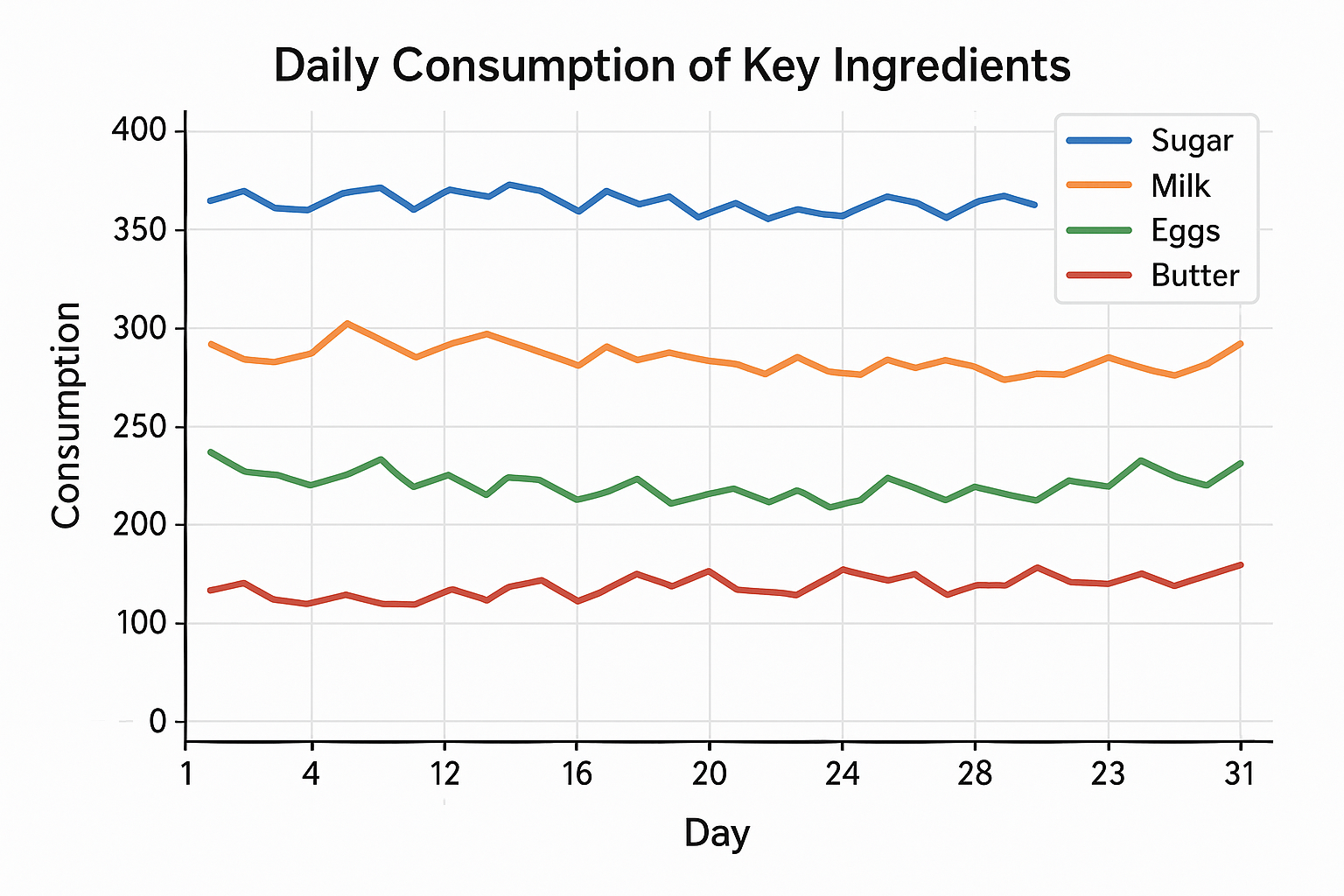
Connect sales trends to ingredient usage
Integrating your sales data with inventory tracking reveals hidden waste patterns and optimization opportunities. By merging these data sources, you’ll:
➤ Understand which menu items drive ingredient consumption
➤ Identify excessive ordering of rarely used ingredients
➤ Spot overused ingredients that need portion control
This integration helps maintain proper inventory levels in all restaurant locations. If one location overstocks an ingredient with a short shelf life, your system can identify this excess and suggest transferring it to another location that needs it. Essentially, this allows you to make better purchasing decisions based on actual usage patterns.
Forecast demand to avoid overstocking
Predictive inventory tools provide a significant advantage in preventing both stockouts and overstocking. Throughout 2025, restaurants using demand forecasting have seen notably lower food costs.
To implement forecasting:
➤ Analyze historical sales data for patterns (like last year’s August burger sales spike)
➤ Factor in local events, holidays, and weather changes affecting foot traffic
➤ Track your top 10 ingredients weekly to refine predictions
Modern POS systems often include predictive sales technology. The manager of a Jimmy John’s location called their forecasting software “a game-changer” that provides hour-by-hour bread production needs, keeping them from running out or wasting multiple trays nightly.
Train staff to minimize prep waste
Every day, your kitchen staff makes decisions that directly impact your profit margin. Yes, it is the staff who play a pivotal role in mitigating food waste through their daily activities.
Effective training involves:
➤ Teaching proper food preparation techniques to reduce trim waste
➤ Implementing a waste tracking system where staff log discarded food and reasons
➤ Training on FIFO (First-In, First-Out) inventory rotation to prevent spoilage
➤ Using standardized recipes and portion controls
Meanwhile, consider using a prix-fixe menu approach to give chefs more control over ordering and help repurpose ingredients that need to be used quickly.
Use Orgnyz Free to connect your sales data with inventory management, identifying waste patterns and optimizing your menu planning process.
Use Data to Plan for the Future
Looking toward tomorrow gives your restaurant a competitive edge. While 28% of restaurateurs are making menus smaller and more efficient, the most successful ones are using data to anticipate what comes next.
Predict seasonal trends and customer behavior
Pattern recognition in your sales data reveals valuable insights that might otherwise seem random. Historical data helps you:
➤ Identify busy periods that need extra staff or ingredients
➤ Prepare for seasonal changes that affect menu priorities
➤ Anticipate how weather patterns might affect reservations
Local events near your restaurant usually increase foot traffic, allowing you to staff appropriately and boost inventory before these opportunities arise.
Test new items as limited-time offers
Limited-time offers (LTOs) create urgency and provide valuable testing grounds. Research shows 36% of customers cite a limited-time offer as their reason for visiting. When implementing LTOs:
➤ Introduce new dishes as specials before full menu integration
➤ Gather immediate feedback to refine recipes
➤ Create FOMO (fear of missing out) to drive traffic
Build a flexible menu that adapts to change
A dynamic menu evolves based on customer feedback and informed decisions. Think over:
➤ Establishing quarterly menu review cycles
➤ Making incremental price adjustments rather than sudden increases
➤ Using A/B testing to compare different menu versions
Use Orgnyz Free to track seasonal patterns and optimize your menu planning process year-round.
Conclusion
Data is at the core of successful restaurant management today. In this piece, we’ve seen how sales reports can reshape the scene of menu planning into strategic business decisions. Restaurant owners who accept data-driven approaches enjoy higher survival rates and improved profit margins.
Sales reports reveal more than just daily numbers. They help you learn about customer priorities, profitability of individual dishes, and opportunities to optimize your menu. On top of that, categorizing your items into Stars, Plowhorses, Puzzles, and Dogs gives you a clear framework for strategic decisions about promotion, pricing, and placement.
Your menu serves as both your main sales tool and the backbone of your inventory needs. Connecting sales trends directly to ingredient usage helps eliminate waste and ensures you never run short on critical items. Smart inventory management based on actual sales data can cut costs and boost your bottom line.
➤ Showcase your Stars to maximize profits
➤ Adjust Plowhorses for better margins without losing popularity
➤ Reposition Puzzles through better marketing and placement
➤ Revise or remove Dogs that drain resources
Restaurant success comes from learning from the past and planning for the future. Your sales data helps predict seasonal trends, test new menu items strategically, and build flexibility into your offerings. This forward-thinking approach keeps your restaurant competitive and responsive to changing customer demands.
Note that your POS system contains valuable insights waiting to be found. The key lies not just in collecting data but using it to make smarter decisions. Restaurants that consistently analyze their sales reports, adjust their menus so, and optimize their inventory will without doubt thrive in this challenging industry.
Start implementing these data-driven strategies today. Soon you’ll see improvements across your operation – from higher profit margins and reduced waste to more satisfied customers and a more efficient kitchen. After all, the difference between struggling and thriving restaurants often comes down to how effectively they use the information already at their fingertips.
Key Takeaways
Data-driven restaurants have a 23% higher survival rate and can boost revenue by 10% through strategic menu optimization based on sales analytics.
• Track key metrics beyond revenue: Monitor food cost percentage (20-40%), labor costs (20-35%), and prime cost (ideally 60%) to identify profit opportunities.
• Use menu engineering to categorize items: Classify dishes as Stars (high profit + popularity), Plowhorses (popular but low margin), Puzzles (profitable but unpopular), or Dogs (remove these).
• Connect sales data to inventory management: Link ingredient usage patterns to sales trends to reduce the 25 billion pounds of annual restaurant food waste.
• Test strategically with limited-time offers: Use LTOs to validate new menu items before full integration, as 36% of customers visit specifically for limited-time specials.
• Position high-margin items in the “Golden Triangle”: Place profitable dishes in the middle and upper-right menu sections where customers look first to increase sales by up to 30%.
Smart menu decisions start with understanding what your sales reports reveal about customer preferences and profitability. By applying these data-driven strategies consistently, restaurants can transform their menus from cost centers into profit engines while reducing waste and improving customer satisfaction.
FAQs
Q1. How can I use sales data to optimize my restaurant menu?
Analyze your sales reports to identify top-selling and underperforming items. Categorize dishes into Stars (high profit and popularity), Plowhorses (popular but low margin), Puzzles (profitable but unpopular), and Dogs (low in both). Use this information to adjust pricing, placement, and promotion of menu items to maximize profitability.
Q2. What are some effective strategies to increase restaurant sales?
Optimize your menu design by strategically placing high-margin items in the “Golden Triangle” (middle and upper-right sections). Offer special experiences or reservation upgrades to encourage higher spending. Implement limited-time offers to create urgency and attract customers. Additionally, use data analytics to inform pricing and menu item selection.
Q3. How can I reduce food waste in my restaurant?
Connect your sales data with inventory management to identify usage patterns and optimize ordering. Implement a waste tracking system where staff log discarded food and reasons. Train your team on proper food preparation techniques and FIFO (First-In, First-Out) inventory rotation. Use demand forecasting tools to predict busy periods and adjust inventory accordingly.
Q4. What key metrics should I track in my restaurant’s sales reports?
Monitor food cost percentage (aim for 20-40%), labor costs (target 20-35% of sales), and prime cost (ideally around 60%). Track sales volume to identify trends and peak hours. Calculate the break-even point and gross profit for a comprehensive view of your financial performance. These metrics will help you make informed decisions about menu pricing and operational efficiency.
Q5. How often should I update my restaurant’s menu?
Consider establishing quarterly menu review cycles to keep your offerings fresh and aligned with customer preferences. Use sales data to inform these updates, removing underperforming items and introducing new dishes as limited-time offers to test their popularity. Make incremental price adjustments rather than sudden increases to avoid customer pushback. Regular menu updates based on data-driven insights can help maintain customer interest and optimize profitability.