



Restaurant marketing isn’t just about fancy photos anymore. In 2024, social media has become about building loyal communities around restaurant brands, and this trend will only intensify by 2026.
Despite fierce competition and economic challenges, today’s top restaurants are thriving according to a recent Klaviyo survey. The numbers tell the story: the food delivery market has surged to hundreds of billions ($221 billion in 2022 in the US alone), while approximately 805 million searches were made on OpenTable by people looking for restaurants in 2019.
What’s even more surprising? More than half (51%) of people don’t know exactly where they want to eat when they go out. This presents a massive opportunity for restaurants with the right marketing strategies.
We’ve compiled 15 proven restaurant marketing strategies that actually deliver results. From leveraging the fact that 59% of people say an email can influence where they decide to eat to learning from brands like KFC, which has successfully positioned itself as the centerpiece of Christmas dinner in Japan for 50 years, these approaches work for restaurants of all sizes.
Build a Strong Brand Identity
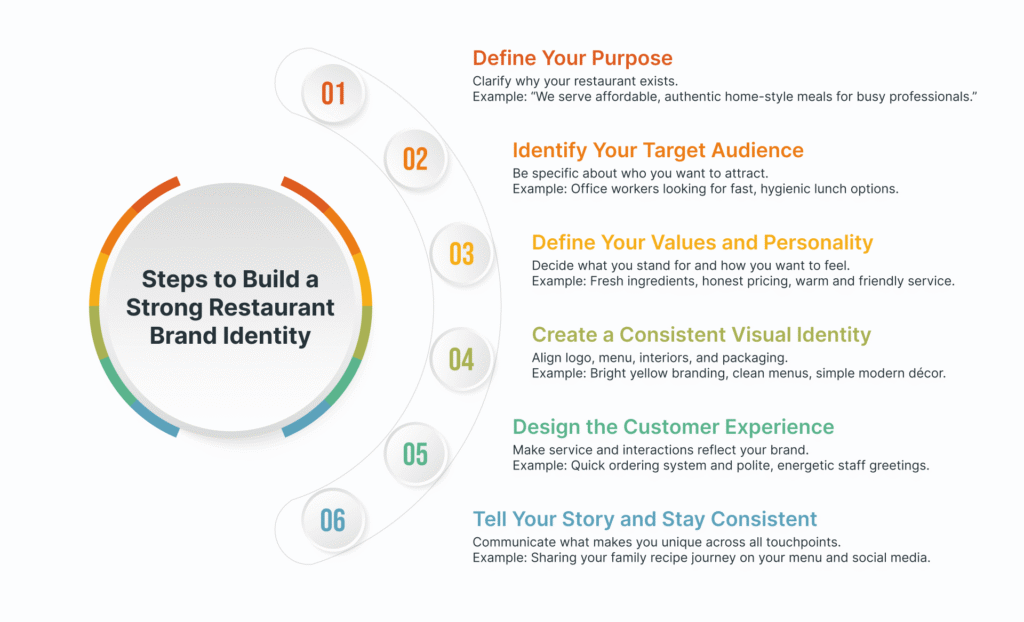
Your restaurant isn’t just a place to eat—it’s an experience that begins with your brand identity. Strong branding creates an emotional connection with guests and helps your business stand out in a crowded marketplace.
Brand Identity Elements
A restaurant’s brand identity goes far beyond just having a logo. It encompasses several key components that work together to create a cohesive experience. Your visual identity includes your logo, color scheme, typography, menu design, and interior décor. These elements should align perfectly with your restaurant’s personality. Furthermore, your brand voice determines how you communicate with customers—from menu descriptions to social media posts. Notably, your brand story builds an authentic connection by sharing your journey, mission, and values.
Why Brand Identity Matters?
A clear brand identity helps customers understand what to expect before they even walk through your door. Consistency in branding builds trust and increases revenue by an average of 23%. Companies with strong brand consistency grow 2.4 times faster than those with inconsistent branding. Additionally, a strong brand identity differentiates your restaurant from competitors, turning first-time diners into loyal regulars.
Professional restaurant branding also increases your perceived value. Consequently, customers become more willing to pay premium prices when your brand feels polished and professional. Most importantly, 9 in 10 small restaurant owners recognize that branding is essential for expanding their reach and achieving long-term success.
How to Build a Strong Brand Identity?
Creating a powerful brand identity requires thoughtful planning and execution:
→ Define your mission and values: Clarify why your restaurant exists beyond making money
→ Know your audience: Understanding your target market helps tailor your identity to their preferences
→ Create visual consistency: Ensure your logo, menu, website, and physical space tell the same story
→ Develop your brand voice: Choose a tone that matches your restaurant’s personality and resonates with customers
→ Tell your story: Share what makes your restaurant unique through your website, menu descriptions, and social media
Remember that every touchpoint—from how staff greets customers to the packaging on takeout orders—contributes to your restaurant marketing strategy. Your brand isn’t just what people see when they enter; it’s what convinced them to come in the first place.
Create a Mobile-Friendly Website
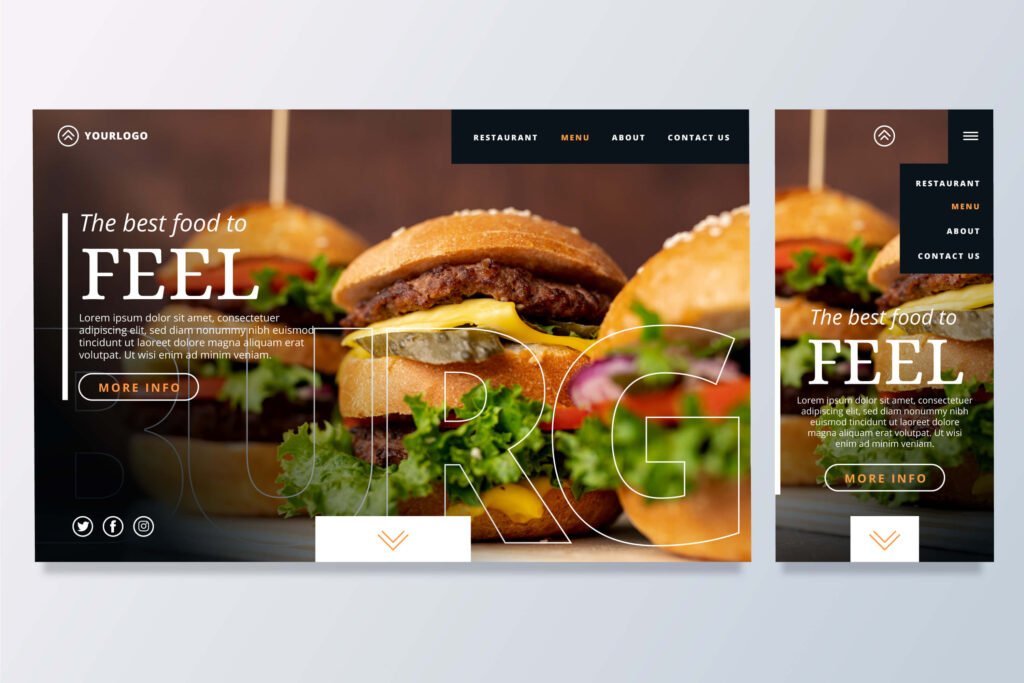
In today’s digital era, having a mobile-friendly restaurant website isn’t optional—it’s essential. With over 70% of restaurant website visits coming from mobile devices, your online presence must perform flawlessly across all screens.
Website Essentials for Restaurants
A high-converting restaurant website needs specific elements to turn browsers into diners:
→ Mobile-responsive design that automatically adapts to any screen size → HTML-based menu (not PDF) that’s easy to read on phones → Online ordering system integrated directly into your site → One-tap contact options including click-to-call and map directions→ Fast loading time (under 2 seconds) to prevent visitors from leaving → High-quality, optimized images that don’t slow down your site
Think of your website as your restaurant’s digital storefront. It should achieve three primary objectives: convert visitors to diners, showcase your restaurant, and provide essential information.
Why a Website Matters
A mobile-optimized restaurant website delivers tangible benefits beyond just having an online presence. First off, it dramatically improves search visibility since Google now uses mobile-first indexing for ranking.
Moreover, 89% of diners check menus online before choosing where to eat. If they can’t easily view your offerings on their phone, you’ve likely lost them—48% of users report feeling frustrated when encountering non-mobile-friendly websites.
Perhaps most convincingly, 82% of guests prefer ordering directly from a restaurant’s website rather than through third-party services. This preference translates into higher profitability since you avoid commission fees.
How to Build a Restaurant Website?
Creating an effective restaurant website doesn’t require technical expertise:
- Choose a memorable domain name that includes your restaurant’s name
- Select reliable hosting with fast load times and daily backups
- Use a restaurant-specific website builder with templates designed for food businesses
- Prioritize mobile optimization including touch-friendly buttons at least 44×44 pixels
- Keep the design clean with ample whitespace to improve readability
For those without technical skills, tools like Orgnyz make website creation simple. Try Orgnyz Free to build a professional restaurant website that converts mobile visitors into loyal customers.
Remember: if your site isn’t mobile-friendly, 61% of potential customers will immediately leave and find another restaurant. In today’s competitive market, that’s a disadvantage you simply can’t afford.
Take High-Quality Food Photos
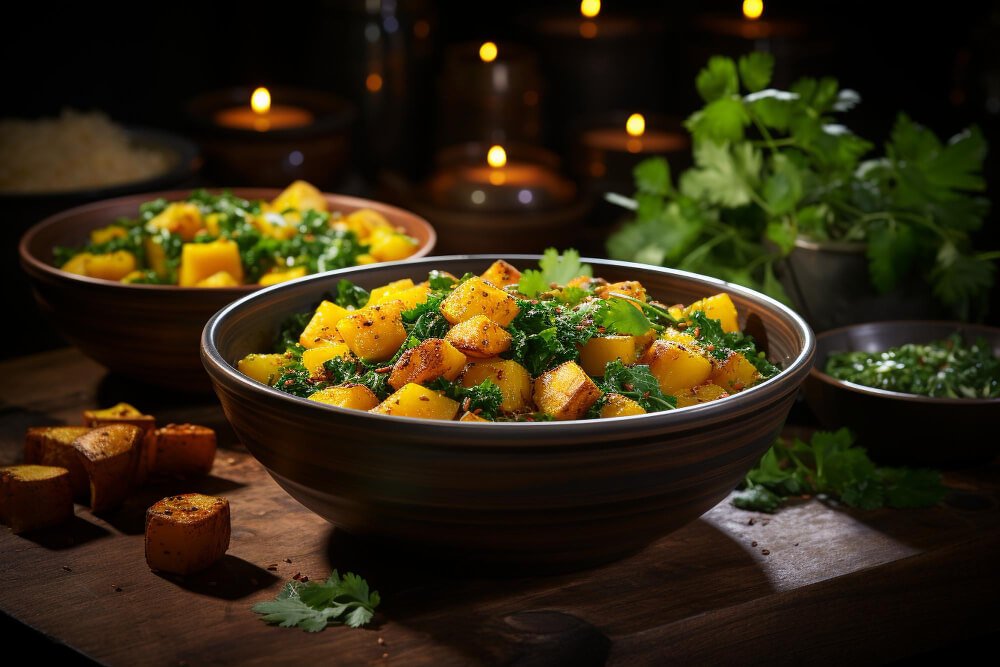
The visual feast begins long before the first bite—compelling food photography makes customers crave your dishes before they even enter your restaurant. Studies show that posts with interesting pictures get 94% more views than those without images.
Food Photography Tips
Creating mouth-watering images doesn’t require professional equipment. Instead, focus on these essentials:
→ Master lighting: Natural light often works best, bringing out colors and textures that make food look appetizing. Position dishes near windows but avoid harsh direct sunlight.
→ Nail composition: Use the rule of thirds for balanced, visually appealing images. Experiment with different angles—overhead shots work well for bowls and pizzas, whereas side angles better showcase layered dishes like burgers.
→ Choose simple backgrounds: Clean, uncluttered backgrounds let your food remain the star. Vinyl backdrops are ideal because they’re non-reflective and easy to clean.
Why Great Photos Work?
The quality of product photos is “very important” to 67% of online shoppers. In restaurant marketing, great food photography delivers meaningful results:
First, high-quality photos create immediate emotional connections, making viewers literally hungry for your offerings. Secondly, professional-looking images significantly increase your chances of securing quality coverage for product-based PR. Furthermore, visually appealing dishes encourage customers to share their experiences, potentially turning your creations viral.
How to Take Better Food Photos?
Elevate your restaurant marketing with these practical techniques:
→ Pay attention to styling: Garnish strategically—no plate of spaghetti is complete without grated cheese, no pizza without fresh basil leaves. Create depth by stacking food with height and dimension.
→ Get the right equipment: While professional cameras offer advantages, modern smartphones with good lighting can produce excellent results for social media. A diffuser (large 4’x6′) and foam boards for reflecting light are affordable essentials.
→ Edit thoughtfully: Post-processing enhances your images, but maintain authenticity. Light adjustments to brightness, contrast and color make photos pop without looking artificial.
Remember that consistently good food photography isn’t about perfection—it’s about purpose. Each image should clearly show your dishes in a way that reflects your restaurant’s identity.
Optimize Your Online Menu
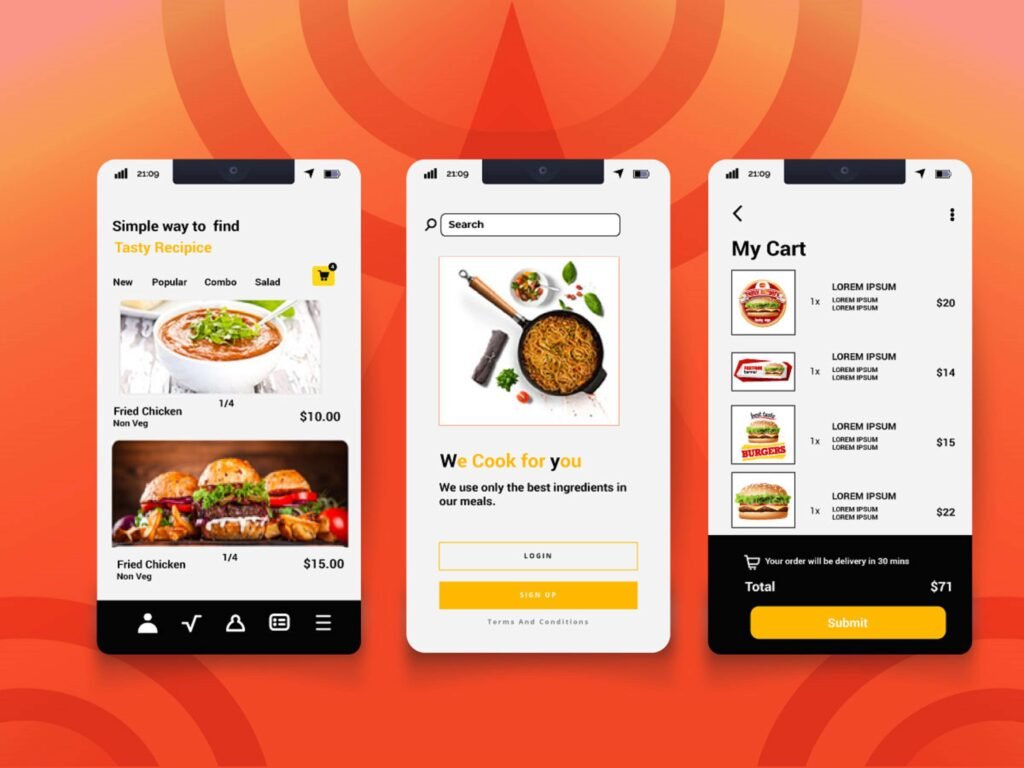
Menu optimization transforms your digital menu from a simple list into a strategic sales tool. In 2026, successful restaurants view their menu as one of the most powerful financial levers in their business—not just a collection of dishes.
Online Menu Best Practices
Your digital menu requires thoughtful design beyond basic food listings. Most diners visit restaurant websites primarily to check out menus, so make yours easy to find and read. Embed your menu directly on your site rather than forcing customers to download PDFs. This approach loads faster, works better on mobile devices, and keeps diners focused on your brand experience.
Essentially, a well-designed digital menu should be: → Mobile responsive with fast loading times→ Searchable with filtering options for easy navigation
→ Visually appealing with strategic use of colors and typography→ Regularly updated to reflect current offerings and prices
Why Menu Optimization Works?
Optimizing your online menu delivers measurable results. Among restaurant leaders, 70% indicate that menu optimization is fundamental to achieving other organizational goals. Furthermore, a strategically designed menu influences customer choices and increases overall sales.
Well-optimized menus enhance customer experience by making navigation effortless. Meanwhile, they promote efficient ingredient use by featuring dishes with common components, reducing waste and simplifying inventory management.
By 2026, top-performing restaurants will be studying contribution margins—not just food cost percentages—and building menus that subtly guide guests toward profitable choices.
How to Optimize Your Menu?
Transform your menu with these practical techniques:
→ Position your bestsellers and high-profit items at the top of your online menu→ Create crisp, tantalizing descriptions without unnecessary adjectives→ Include customization options and special instructions areas for dietary preferences→ Omit currency symbols when listing prices to minimize price sensitivity→ Use boxes or highlighting to draw attention to high-profit margin items→ Ensure proper categorization for intuitive navigation→ Include high-quality images strategically (increasing sales by 30%)
Data-driven restaurant operators now review their menus at least twice yearly—running a PMIX analysis, identifying high-volume items with price flexibility, and adjusting portions or suppliers where sensible.
Digital menus offer unmatched flexibility, allowing you to update prices, adjust stock status, or highlight different promotions within minutes—ultimately turning your menu into a dynamic sales channel.
Get Listed on Google Maps
Google Maps presence can make or break your restaurant’s local visibility. Indeed, 93% of diners check Google before choosing where to eat, making your listing a critical first impression.
Google Maps Setup
Setting up your Google Maps listing begins with claiming your Business Profile:
→ Create or log into a Google account for your restaurant → Go to Google Business Profile and click “Manage Now” → Enter your restaurant’s name, address, phone number, website and hours → Select accurate category (e.g., “Italian Restaurant”)→ Verify ownership through postcard, phone, or email
The verification process prevents fraudulent listings and ensures only you can update your information.
Why Google Maps Works?
A properly optimized Google Maps listing delivers impressive results:
→ Creates your “digital front door” – often the first thing potential customers see→ Increases calls by up to 400% and website visits by 450%→ Boosts direction requests by 440%→ Appears in local searches when people look for nearby dining options
In reality, when someone hears about your restaurant, their first instinct is checking Google. Your listing forms their initial impression and directly influences whether they’ll visit.
How to Optimize Your Google Listing?
Maximize your Google Maps effectiveness with these techniques:
→ Complete your profile 100% (businesses with complete listings appear more reputable to 70% of users) → Upload high-quality photos of your food, menu and space → Add restaurant-specific attributes like “outdoor seating,” “takeout,” and “delivery options”→ Respond promptly to all reviews→ Post updates and special offers directly to your profile→ Link your online menu and ordering options
For restaurant groups managing multiple locations, consider tools that allow updating all listings simultaneously.
Use Delivery Apps Strategically
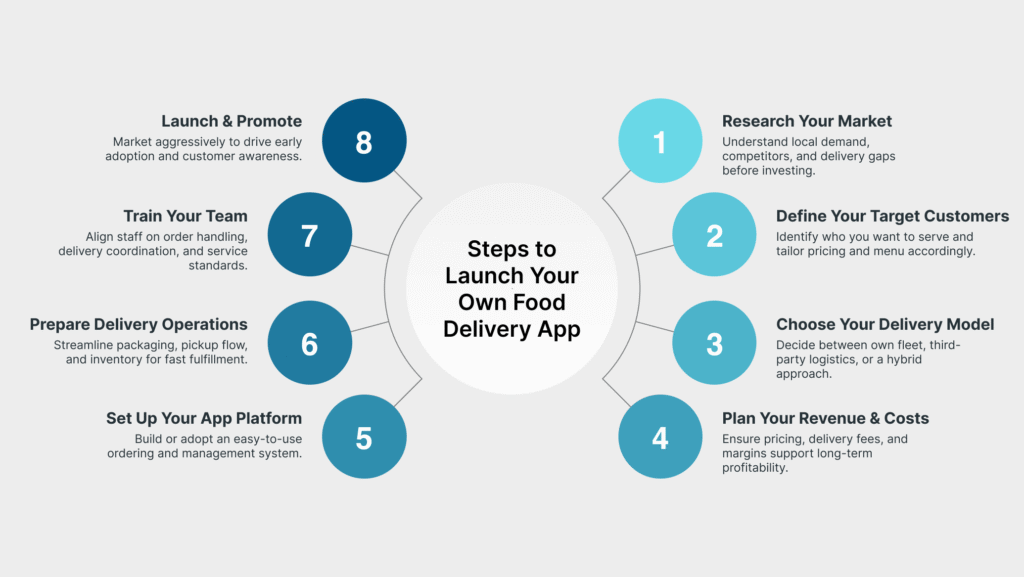
Delivery apps have transformed from optional extras to essential revenue channels for restaurants in 2026. Implementing these platforms strategically lets you expand your reach without compromising profits.
Top Delivery Platforms
The delivery landscape is dominated by several key players:
→ DoorDash controls over half the U.S. market with commission fees typically ranging 15-30% per order
→ Uber Eats performs exceptionally well in large metro areas with similar 15-30% commission structure
→ Grubhub remains strong in Northeast regions and college towns, charging 15-25% commission
→ Postmates (now owned by Uber) still operates as a standalone option in some areas
Why Delivery Apps Work?
Delivery services deliver tangible benefits beyond convenience:
→ Expanded reach letting you serve customers 5-15 miles away
→ Increased sales by an average of 30% for restaurants joining third-party services
→ Optimized labor by freeing staff from phone orders and delivery responsibilities
How to Maximize Delivery App ROI?
Balance commissions against benefits with these tactics:
→ Limit delivery menus to high-margin, travel-friendly items
→ Adjust pricing where platforms allow it to offset commission costs
→ Use platform data to identify best-selling dishes and optimize offerings
→ Consider multi-platform approach to maximize reach while managing complexity
Remember that delivery apps are tools, not silver bullets. The most successful restaurants track performance across channels to ensure delivery truly enhances profitability.
Leverage Social Media Marketing
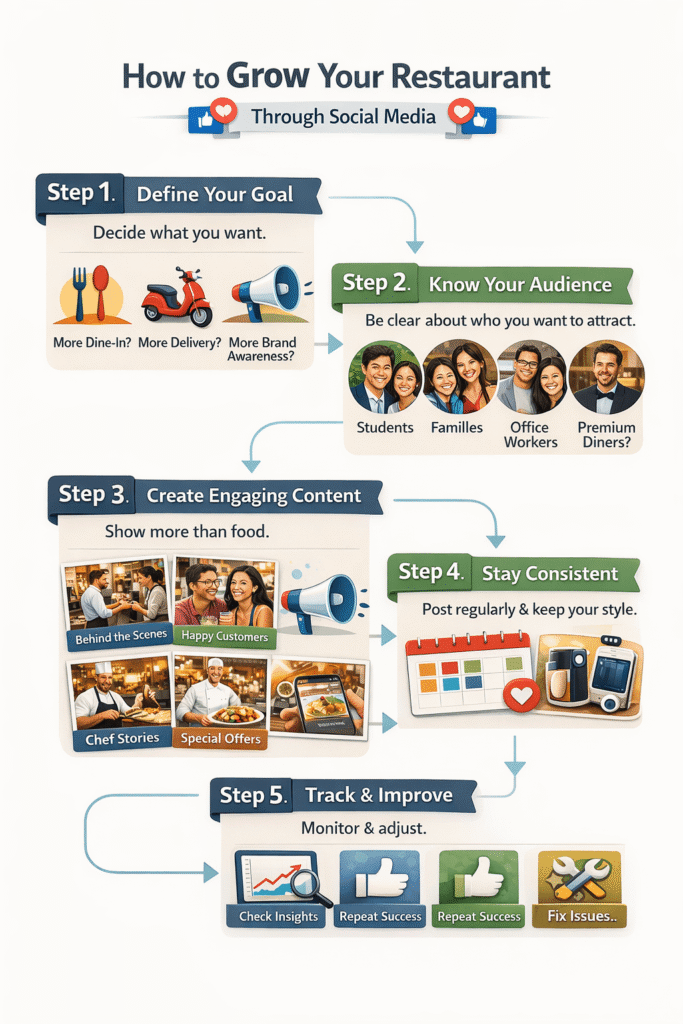
Social media has become the digital dining table where customers gather before ever setting foot in your restaurant. In 2026, effective social strategies directly impact your bottom line.
Social Media Platforms for Restaurants
Various platforms offer unique advantages for restaurant marketing:
→ Instagram excels for visual content with regular posts, Stories, and Reels showing off your culinary creations→ Facebook serves as your information hub and community building space→ TikTok thrives on authentic, unpolished behind-the-scenes content→ Google Business Profile acts as your digital storefront, improving local search performance
Why Social Media Works?
Social media delivers measurable results primarily because your guests are already there. Approximately 65% of consumers follow food topics on social media, making it the largest community among those surveyed. Furthermore, 74% of people check Instagram, TikTok, or Google Business Profile before deciding where to eat.
How to Use Social Media Effectively?
Focus on quality over quantity with these proven approaches:
→ Show what happens inside your walls – document food preparation, plating, and staff interactions→ Post consistently – aim for 3-5 posts weekly across platforms→ Prioritize authenticity – customers value genuine content over polished productions→ Use short vertical videos – they stop scrolling and drive engagement
To simplify management across platforms, Try Orgnyz Free to schedule posts and track performance metrics in one place.
Run Contests and Giveaways
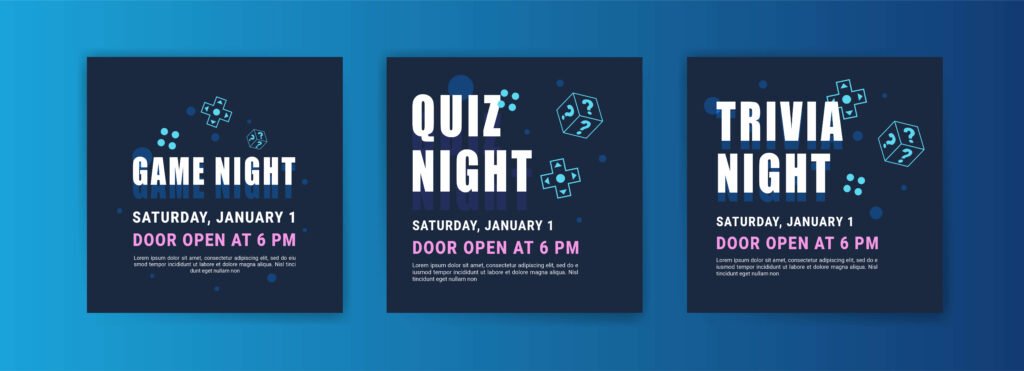
Contests and giveaways energize your restaurant marketing by creating excitement that standard promotions simply can’t match. Undoubtedly, they’re among the most effective ways to attract local customers and build community around your brand.
Contest Ideas for Restaurants
Engage your audience with these proven contest formats:
→ Photo contests asking customers to share pictures of themselves enjoying your dishes→ Tag-a-friend giveaways offering free meals for two→ Comment contests where participants share favorite menu items→ Seasonal promotions like holiday packages or summer movie tickets
Why Giveaways Work?
Well-executed contests deliver measurable results. Primarily, they transform potential customers into loyal ones and significantly boost engagement. One restaurant saw a 30% increase in social media activity during and after their giveaway. Another experienced a 600% increase in post engagement and 13% net follower growth within 48 hours of promoting their contest.
How to Run a Successful Contest?
Launch your giveaway effectively:
→ Set clear goals beyond sales (lead generation, reviews, brand awareness)→ Choose appropriate platforms based on your audience demographics→ Partner with other businesses to combine audiences and increase reach→ Create legal rules that comply with state regulations→ Integrate across channels by promoting your social contests through email
Remember that entry requirements must include free options to avoid legal issues.
Use Email Marketing Campaigns

Image Source: Mailchimp
Email marketing establishes a direct line to customers who already love your food. Unlike other marketing channels, email delivers exceptional ROI—an impressive 4,200% return on investment with 43% open rates and minimal costs.
Email Marketing Tools
Several platforms simplify restaurant email marketing:
→ Mailtrap offers user-triggered emails perfect for booking confirmations
→ Mailchimp excels at managing multiple campaigns with helpful integration capabilities
→ Campaign Monitor provides automated customer journeys and loyalty tracking
Why Email Marketing Works?
Email marketing outperforms other strategies primarily because it reaches people who’ve actively chosen to hear from you. This direct connection yields tangible benefits:
→ Costs nearly nothing compared to print or broadcast advertising
→ Facilitates personalized campaigns that are 26% more likely to be opened
→ Creates opportunities for testing and optimizing every element
→ Enables simple forwarding and social sharing
How to Build an Email List?
Growing your subscriber base requires strategic approaches:
→ Place signup forms strategically on your website
→ Offer meaningful incentives like discounts or free appetizers
→ Collect emails through POS systems during transactions
→ Use QR codes on receipts and table tents
→ Train staff to mention signup benefits during checkout
Try Orgnyz Free to create mobile-friendly email signup forms that integrate seamlessly with your restaurant marketing strategy.
Send Birthday and Holiday Offers
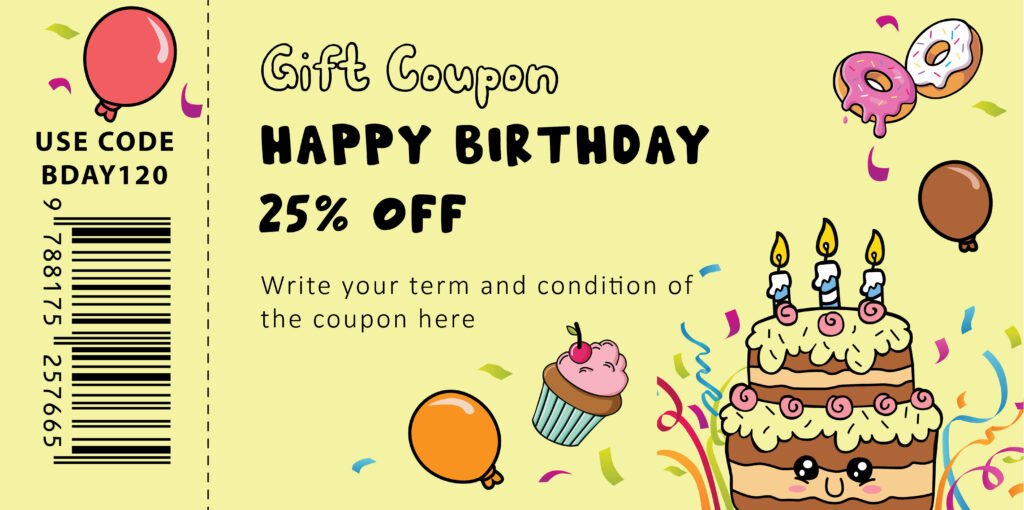
Personalizing milestone moments creates powerful connections with guests. Birthday and holiday marketing drives exceptional results for restaurants that recognize these special occasions.
Personalized Offer Ideas
Effective birthday offers feel special yet remain profitable:
→ Free dessert or starter with main course purchase → Complimentary bottle of wine for groups → $10 off for birthday parties of 4+ → Free meal for the birthday guest → Exclusive menu items named after birthday guests
For holidays, consider seasonal packages or themed menu items that create urgency and excitement.
Why Birthday Offers Work?
Birthday campaigns deliver remarkable results primarily because they tap into natural celebration behavior:
→ Birthday emails generate 481% higher transaction rates than standard promotions→ 79% of consumers say birthday offers influence where they dine→ Birthday guests typically bring 5-6 people, boosting revenue without additional marketing→ Customers spend 1.5x more during celebration visits→ 70% show increased loyalty to brands that acknowledge milestones
How to Automate Birthday Campaigns?
Start collecting birth dates through:
→ Online ordering checkout forms → WiFi login portals → Loyalty program registration → Reservation systems
Notably, successful birthday campaigns begin before the actual date. Send reminders 1-2 weeks early to influence planning. Particularly effective campaigns offer validity throughout the birth month rather than a single day.
Create a Loyalty Program
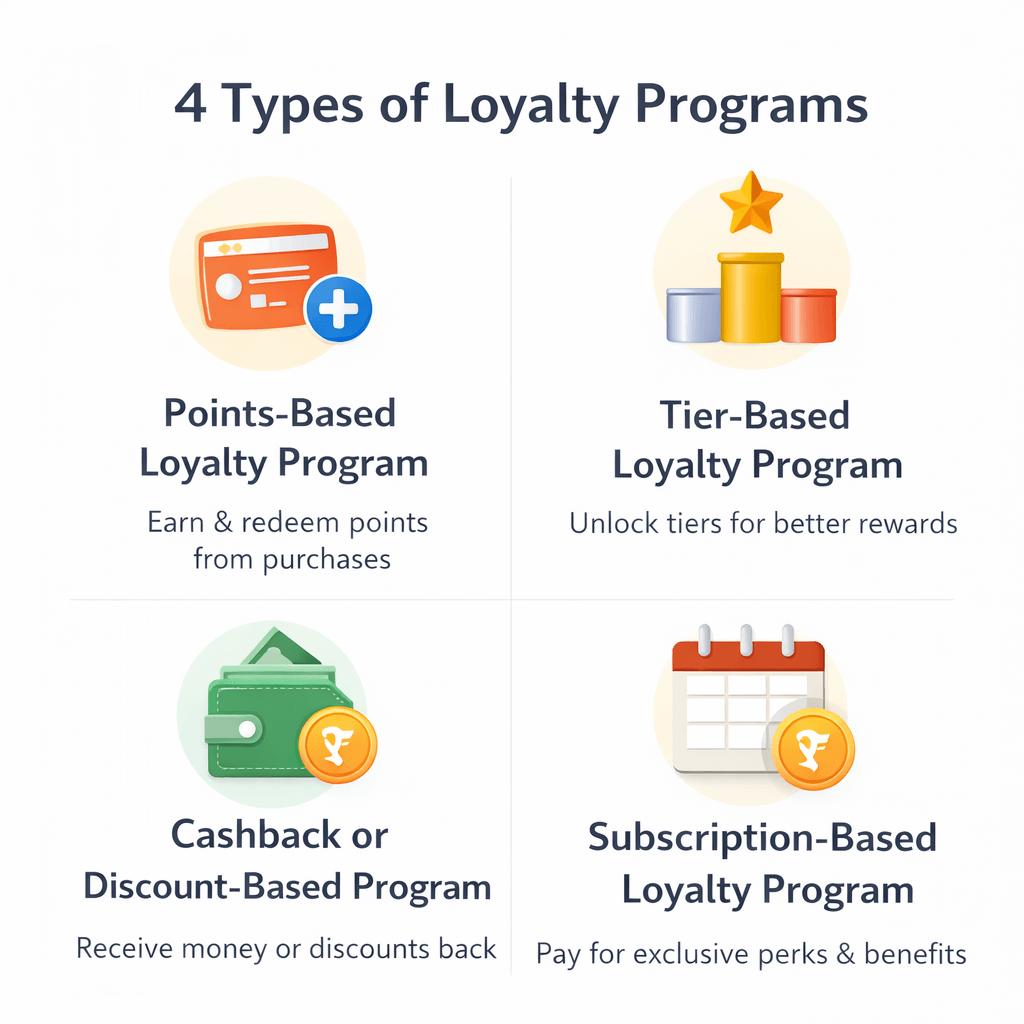
Loyalty programs transform casual diners into restaurant regulars. In an industry where customer retention directly impacts profits, these structured reward systems have become crucial for long-term success.
Loyalty Program Types
Several effective loyalty structures exist for restaurants:
→ Points-based systems award points per dollar spent, redeemable for rewards→ Tiered programs gamify experiences by letting guests level up with repeat purchases→ Base programs offer simplicity with “spend X, get Y” mechanics→ Bankable points allow customers to store points for future redemption → Punch card programs reward after a specific number of visits
Why Loyalty Programs Work?
The data confirms loyalty programs deliver remarkable results:
→ Loyalty members order 3x more over their lifetime than non-members→ 78% of customers are more likely to visit restaurants where they can earn points→ 73% of customers would recommend restaurants with appealing loyalty programs→ A mere 5% increase in retention rates can boost profits by 25-95%→ 64% of members spend more per transaction to maximize point earnings
How to Launch a Loyalty Program?
Starting your loyalty program requires thoughtful planning:
→ Define clear goals beyond just increasing visits → Choose between physical cards or digital solutions → Keep earning and redemption mechanics simple → Train staff thoroughly on program operations → Promote consistently across all channels
For restaurants seeking seamless implementation, digital solutions save time and enhance the customer experience. Try Orgnyz Free to create and manage a digital loyalty program that drives repeat business without administrative headaches.
Collaborate with Food Influencers
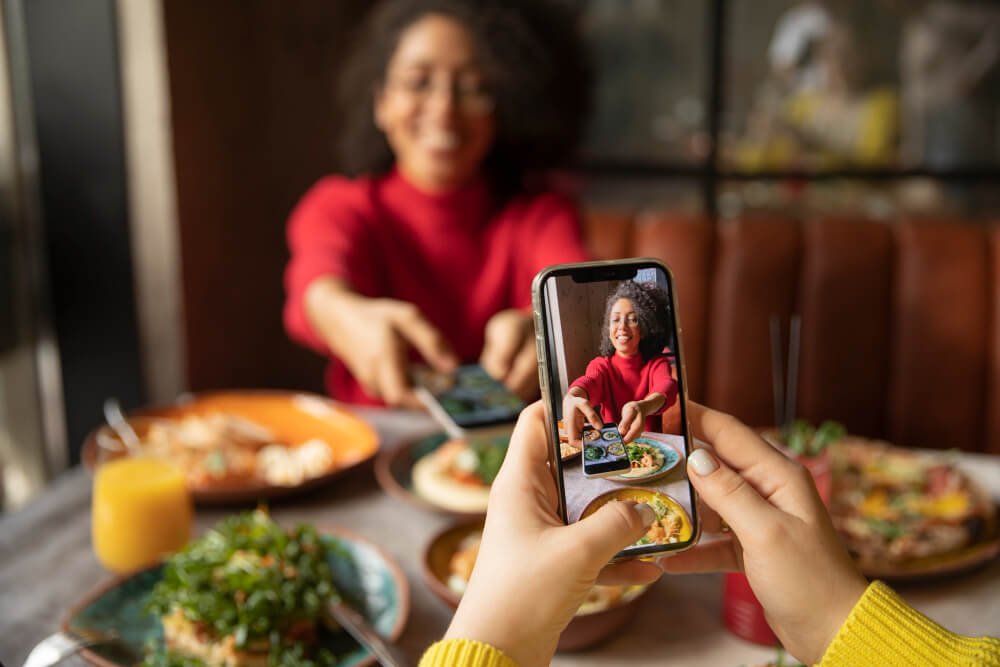
Food influencers have become powerful allies for restaurants looking to amplify their visibility. Working with the right content creators can transform your restaurant marketing efforts through authentic recommendations.
Finding the Right Influencers
Identifying suitable influencers requires thoughtful consideration:
→ Focus on engagement rates over follower count—micro-influencers (5k-50k followers) often have higher engagement and feel more authentic to local audiences
→ Search location-specific hashtags like #NYCFoodie or #LAEats to discover local food creators
→ Evaluate content quality by checking if their food photography style aligns with your restaurant’s image
→ Assess audience demographics to ensure their followers match your target customers
Why Influencer Marketing Works?
Influencer partnerships deliver tangible results:
→ Food influencers create unique, varied content that resonates with their followers
→ Micro-influencers drive genuine local branding as their followers trust them more than celebrities
→ Influencer posts can increase foot traffic by up to 30% for restaurants
→ Followers often make dining decisions based directly on influencer recommendations
How to Collaborate with Influencers?
Maximize your influencer partnerships:
→ Invite them for complimentary tastings in exchange for content creation
→ Create exclusive events like tastings or workshops specifically for influencers
→ Establish clear agreements covering deliverables, exclusivity, and intellectual property rights
→ Track metrics like engagement, clicks to your page, and in-store traffic to measure effectiveness
Remember that authentic collaborations work best—allow influencers creative freedom while ensuring content aligns with your restaurant’s values and identity.
Advertise with SMS Marketing

Text messaging breaks through the noise by reaching customers directly in their hands. With an astonishing 98% open rate within minutes, SMS marketing creates immediate connections between restaurants and hungry customers.
SMS Campaign Examples
Effective restaurant SMS campaigns include:
→ Welcome offers with exclusive value-add content like drink recipes or cooking tips→ Menu exploration prompts that suggest complementary items based on previous orders→ Flash sales offering limited-time promotions that create urgency→ Birthday rewards that encourage celebration visits
Why SMS Marketing Works?
SMS marketing delivers exceptional results primarily through its immediacy:
→ Messages are typically read within three minutes of receipt→ SMS campaigns generate 45% response rates and solid ROI→ Text messages have 7.5x higher response rates than email→ Most consumers (90%) prefer texting to communicate with businesses
How to Set Up SMS Campaigns?
Launch your SMS strategy with these steps:
→ Obtain explicit permission through clear opt-in processes→ Schedule messages between 10am-8pm for maximum engagement→ Limit promotional texts to 4-6 per month→ Include easy unsubscribe options in every message→ Segment your subscriber list based on preferences and behaviors
For maximum effectiveness, alternate between promotional texts and value-driven content like recipes or behind-the-scenes snippets.
Host Virtual Cooking Classes
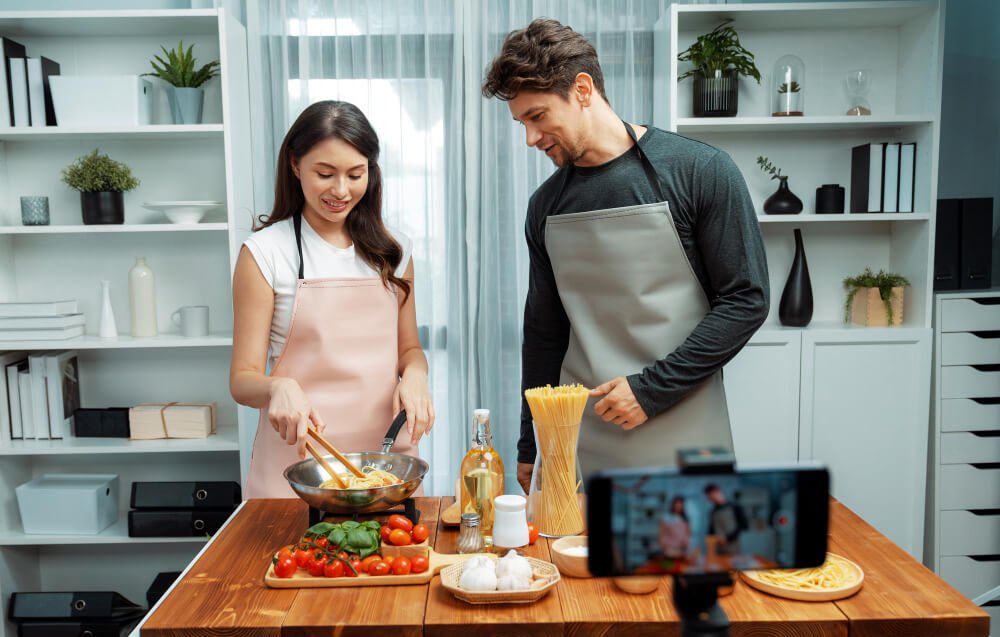
Virtual cooking classes break down geographical barriers between your restaurant and food enthusiasts worldwide. Hosting online cooking sessions creates meaningful experiences that keep your brand relevant beyond your physical location.
Virtual Class Ideas
Consider these engaging formats for your restaurant: → Skills-focused workshops for casual home cooks → Advanced technique classes for culinary enthusiasts
→ Family-friendly sessions that create interactive experiences → Specialty cuisine demonstrations highlighting your restaurant’s expertise → Seasonal or holiday-themed cooking events
Offering meal kits via curbside pickup with pre-measured ingredients elevates the experience and simplifies participation.
Why Cooking Classes Work?
Virtual cooking classes build genuine connections when physical dining isn’t possible. They maintain community engagement while creating additional revenue streams. Primarily, these sessions: → Retain valuable customer relationships during slow periods → Remove geographical limitations, expanding your audience→ Provide excellent gift opportunities for special celebrations → Create shareable experiences that boost your visibility
How to Host a Cooking Class?
Begin classes 10-15 minutes early to resolve technical issues and build rapport. Subsequently: → Verify participants have necessary tools and ingredients → Mute attendees initially but encourage questions through chat → Address participants by name for personalized interaction→ Record sessions to share afterward for future reference→ Follow up with thank-you emails including complete recipes
Give Back to the Community
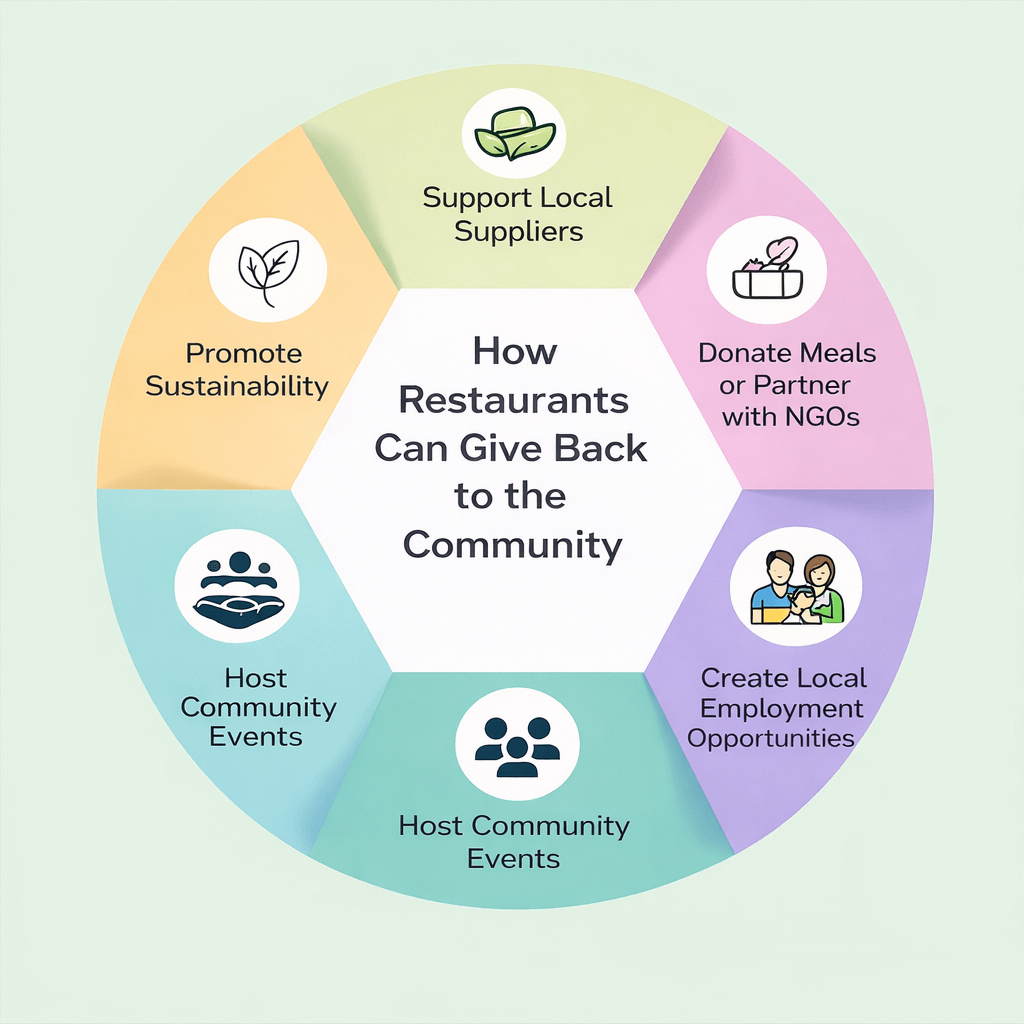
Community engagement represents a powerful restaurant marketing strategy that extends beyond digital tactics. By actively participating in local initiatives, you create authentic connections with potential customers.
Community Engagement Ideas
Building meaningful community relationships starts with thoughtful participation:
→ Host fundraiser nights with a percentage of sales going to local schools or nonprofits→ Sponsor local sports teams or community events for increased visibility→ Organize food drives or charity dinners to support local causes→ Offer your restaurant space for community groups to hold meetings→ Partner with local food banks to prepare fresh meals monthly
Why Giving Back Works?
Investing in community engagement pays off in multiple ways. Currently, about 53% of restaurants invest in community events and charity sponsorships. Forthwith, these efforts fill seats while simultaneously building goodwill.
Most importantly, giving back helps restaurants differentiate themselves from competitors, creating more loyal customers. Plus, restaurants with strong community ties see improved business reputation and increased brand awareness.
How to Build Local Goodwill?
Start small and grow your community presence over time:
→ Identify causes that align with your restaurant’s values→ Partner with nearby businesses for collaborative promotions→ Highlight local suppliers and farmers on your menu→ Create a permanent menu item where proceeds support local charities→ Celebrate local culture and traditions through special events
Remember that authentic engagement matters more than marketing optics. As soon as customers recognize you care about more than profits, their trust increases substantially.
Conclusion
Marketing your restaurant successfully requires a mix of traditional values and modern digital techniques. These 15 proven strategies showcase exactly what works for restaurants thriving in 2026. Strong brand identity undoubtedly serves as the foundation, while your mobile-friendly website becomes the digital storefront customers visit first.
Remember that people eat with their eyes before tasting your food. High-quality photos paired with an optimized menu actually guide customers toward profitable choices. Google Maps presence ensures hungry customers find you, while delivery apps expand your reach beyond physical limitations.
Social media platforms transform into powerful community-building tools when used authentically. Additionally, contests and giveaways create excitement that standard promotions simply can’t match. Email marketing remains surprisingly effective with its impressive 4,200% return on investment, especially when personalized with birthday and holiday offers.
Loyal customers spend three times more throughout their lifetime. Therefore, loyalty programs deserve your focused attention. Food influencers bring authentic credibility, while SMS marketing cuts through the noise with its 98% open rate. Virtual cooking classes and community involvement round out a comprehensive approach that builds genuine connections.
You don’t need to implement all 15 strategies at once. Start with three or four that match your restaurant’s unique situation and resources. The most successful restaurant owners we’ve seen follow this practical approach:
→ Choose strategies aligned with their brand values → Focus on consistency rather than perfection → Track results and adjust accordingly → Add new techniques gradually as capacity allows
Marketing your restaurant successfully takes time. Though these strategies work across different restaurant types and sizes, your unique combination will create the special sauce that sets your business apart. What marketing strategy will you implement first?
Key Takeaways
These 15 proven restaurant marketing strategies provide a comprehensive roadmap for building a thriving restaurant business in 2026, focusing on digital presence, customer retention, and community engagement.
• Build a strong digital foundation first – Mobile-friendly websites and Google Maps listings are essential since 70% of restaurant searches happen on mobile devices
• Visual content drives dining decisions – High-quality food photos generate 94% more views and can increase sales by 30% when added to menus
• Email marketing delivers exceptional ROI – With 4,200% return on investment and personalized birthday campaigns generating 481% higher transaction rates
• Loyalty programs create lasting value – Members order 3x more over their lifetime, making retention programs crucial for long-term profitability
• Community engagement builds authentic connections – Local partnerships and giving back create genuine customer loyalty that differentiates you from competitors
The most successful restaurants don’t implement all strategies at once. Instead, they start with 3-4 approaches that align with their brand values and resources, then gradually expand their marketing efforts while tracking results and maintaining consistency over perfection.
FAQs
Q1. How can I make my restaurant stand out on social media?
Focus on authenticity by sharing behind-the-scenes content, consistently posting 3-5 times weekly, and using short vertical videos to stop scrolling. Showcase your culinary creations, staff interactions, and food preparation process to give followers a genuine look inside your restaurant.
Q2. What’s the most effective way to build customer loyalty?
Implement a well-designed loyalty program. Members typically order 3 times more over their lifetime compared to non-members. Keep the program simple, train your staff thoroughly on its operations, and promote it consistently across all channels to maximize its effectiveness.
Q3. Is email marketing still relevant for restaurants?
Absolutely. Email marketing delivers an impressive 4,200% return on investment for restaurants. Focus on personalized campaigns, which are 26% more likely to be opened. Collect email addresses through various touchpoints and offer meaningful incentives to grow your subscriber base.
Q4. How important are high-quality food photos for marketing?
High-quality food photography is crucial. Posts with appealing food images get 94% more views than those without. Invest in good lighting, simple backgrounds, and thoughtful composition to make your dishes look irresistible and create an emotional connection with potential customers.
Q5. What’s a cost-effective way to reach local customers?
Optimize your Google Maps listing. A well-maintained Google Business Profile can increase calls by up to 400% and website visits by 450%. Ensure your profile is 100% complete, upload high-quality photos, and respond promptly to reviews to maximize local visibility and attract nearby diners.