


How to increase sales in restaurant businesses? It’s a challenge many of us in the industry face daily. According to recent research, venues offering private dining and events generate 30% of their revenue from that business alone. This presents a significant opportunity that many restaurants aren’t fully tapping into.
In today’s competitive market, growing your restaurant business requires thinking beyond traditional methods. Surprisingly, 55% of millennial consumers have purchased items aside from food or drinks from restaurants in the past year, with 29% buying merchandise and 20% purchasing gift vouchers. Furthermore, success in increasing restaurant sales demands more than typical discounts—it requires a strategic approach focused on quality and memorable experiences.
We’ve compiled 7 proven strategies to improve your restaurant business immediately. Whether you’re looking to diversify revenue streams with gift cards (an excellent way to stimulate restaurant revenue) or exploring digital options that can be sent instantly to customers, this guide covers practical ideas you can implement right now to boost your food sales significantly.
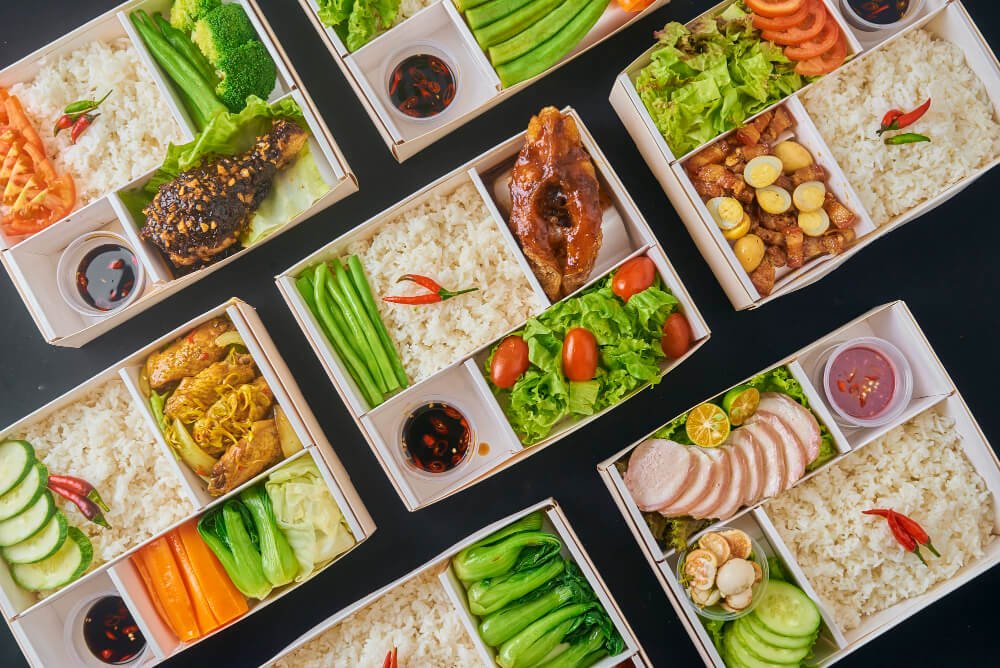
Launch Delivery and Pickup Services

The global online food delivery market is projected to generate approximately INR 118.13 trillion in revenue by 2025, with an anticipated compound annual growth rate of 7.83% through 2029. This rapid expansion demonstrates why delivery and pickup services have become essential rather than optional for restaurants aiming to boost revenue.
Key features of delivery and pickup services
Effective delivery and pickup services include several critical features that directly impact how to increase food sales in a restaurant:
- Scheduling options enable customers to place orders in advance and select preferred pickup or delivery times, making your service more convenient and flexible
- Real-time tracking allows customers to monitor their order status, reducing anxiety and increasing satisfaction with transparent updates
- Multiple payment methods eliminate the hassle of cash handling while giving customers flexibility in how they complete transactions
- Rating and review systems provide valuable feedback to help you continuously improve your service quality
- Dedicated customer support ensures diners can quickly resolve any issues that arise during the ordering process
Moreover, automated delivery workflows help balance driver loads based on proximity factors, removing guesswork and reducing delivery delays. For restaurants managing their own delivery fleet, route optimization ensures drivers take the most efficient paths to maintain food quality during transit.
Benefits of delivery and pickup services
Implementing delivery and pickup services offers substantial advantages for growing your restaurant business. For starters, delivery expands your reach beyond your immediate vicinity, allowing you to serve customers who might never visit your physical location. In fact, many restaurants report that off-premise sales now represent roughly 11-30% of their total revenue.
Additionally, delivery orders typically generate higher values compared to dine-in experiences. The average delivery order value is INR 3054.57, which is almost double the typical pickup order (INR 1535.72) and approximately 25% higher than dine-in sales. This occurs because customers often bundle meals, add sides, or take advantage of special delivery deals available through your platforms.
Notably, delivery services strengthen your business against market disruptions such as inclement weather, local events, or public health restrictions. This resilience ensures consistent revenue streams even when in-person dining becomes challenging.
How to implement delivery and pickup services?
To successfully launch delivery and pickup services, you’ll need to invest in the right technology and processes:
First, choose between third-party platforms and in-house delivery. Third-party services handle logistics complexity but charge commissions, while in-house systems offer greater control but require more investment. Many successful restaurants use a hybrid approach—maintaining presence on popular delivery apps while developing their own direct ordering system to avoid commission fees on repeat orders.
Second, implement a reliable point-of-sale (POS) system that integrates with major third-party delivery platforms and supports in-house delivery. This integration streamlines operations by pulling orders directly into your system, reducing manual entry errors that can cost up to INR 337,521.80 annually.
Third, develop appropriate packaging solutions that preserve food quality during transit. Use leak-proof containers for sauces and insulated packaging to maintain proper temperatures. Also consider sustainability—eco-friendly packaging not only reduces environmental impact but reflects positively on your brand.
Lastly, train your staff on delivery protocols, including order packing, labeling, and handoff procedures. Consider setting up a separate kitchen station specifically for preparing delivery orders to avoid bottlenecks during busy periods.
Best use cases for delivery and pickup services
Delivery services excel in several scenarios that directly help increase restaurant sales:
During peak meal times when dining rooms reach capacity, delivery allows you to continue serving additional customers without space constraints. Meanwhile, slow periods become opportunities to run delivery promotions that maintain steady kitchen activity throughout the day.
Cold weather months and holidays naturally drive delivery demand as customers prefer staying home. By planning targeted promotions around these peak events, you can maximize revenue during these high-demand periods.
Finally, delivery services particularly benefit restaurants with limited seating capacity or those located in areas with high rent costs. These establishments can serve significantly more customers than their physical space would otherwise allow, effectively growing their restaurant business without expanding their footprint.
Introduce Meal Kits for At-Home Dining
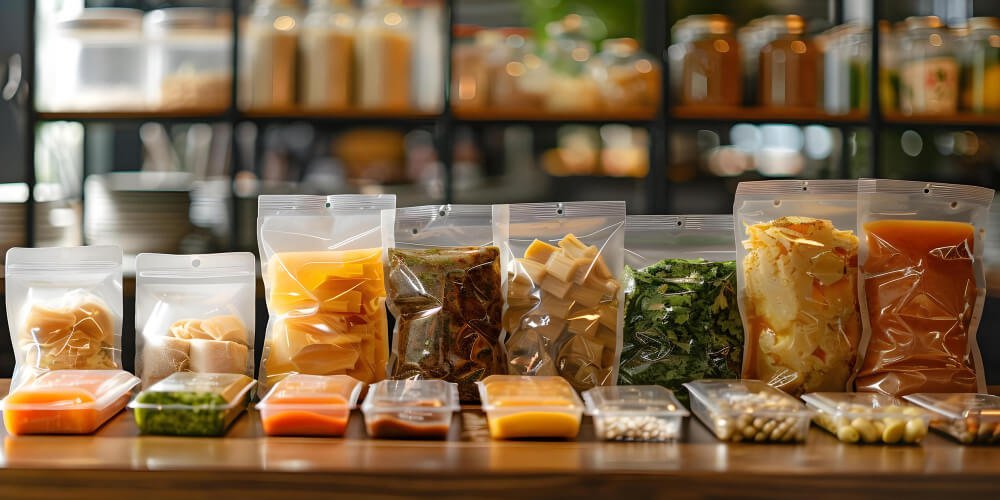
Meal kits have emerged as a booming revenue stream for restaurants, with the global market expected to surpass INR 5400.35 billion by 2030. As customers increasingly seek both convenience and quality dining experiences at home, this innovative approach offers restaurants a compelling opportunity to expand their business beyond traditional service models.
Key features of meal kits
Restaurant meal kits differ significantly from standard takeout by providing customers with:
- Pre-portioned ingredients carefully measured for specific recipes, eliminating waste and simplifying the cooking process
- Step-by-step recipe cards with clear instructions designed for home cooks of varying skill levels
- Chef-designed recipes that maintain your restaurant’s unique culinary identity
- Customizable options catering to various dietary preferences including vegetarian, vegan, and gluten-free selections
- Quality packaging that ensures freshness and food safety during transportation
Unlike regular takeout, meal kits typically require 15-30 minutes of preparation time, offering customers the satisfaction of cooking without the hassle of meal planning or grocery shopping. This hybrid approach bridges the gap between restaurant dining and home cooking, creating an entirely new category for increasing restaurant sales.
Benefits of meal kits
Introducing meal kits can substantially improve your restaurant business through multiple avenues. Firstly, they generate an additional revenue stream with impressive margins—typically 40-70%. This helps offset fluctuations in dine-in traffic, especially during traditionally slow periods.
Furthermore, meal kits reduce food waste considerably, as customers receive precisely measured ingredients for each dish. Consequently, this environmental benefit doubles as a financial advantage, saving approximately 33% on potential food waste costs compared to traditional grocery shopping.
An often overlooked benefit is the brand-building aspect. Meal kits bring your restaurant’s presence directly into customers’ homes, fostering stronger connections with your brand. Indeed, 53% of adults report they would likely purchase meal kits from their favorite restaurants, with this number jumping to 80% among millennials and Gen Z consumers.
How to implement meal kits?
To successfully launch a meal kit program, begin by assessing your menu for dishes that translate well to the home cooking environment. Ideal candidates should:
- Require no specialized restaurant equipment
- Maintain quality after being transported and prepared at home
- Take less than 90 minutes (ideally 15-30 minutes) to prepare
- Include components from your existing mise en place to control costs
Thereafter, develop appropriate packaging that preserves ingredient freshness and reflects your brand identity. Consider eco-friendly options as customers increasingly value sustainability.
Pricing strategy is equally crucial—meal kits should be slightly lower-priced than in-restaurant versions of the same dishes to create perceived value, yet still maintain profitability. Generally, avoid pricing above INR 843.80 per person, as higher price points may discourage purchases.
Subsequently, establish clear procedures for food safety throughout your meal kit operation, including implementing a Hazard Analysis and Critical Control Points (HACCP) plan. Ensure all ingredients remain at safe temperatures (below 40°F for perishables) throughout the preparation and delivery process.
Best use cases for meal kits
Meal kits excel in several specific scenarios that maximize their revenue potential. Special occasions present prime opportunities—date night packages, holiday-themed kits, and celebration meals typically command premium prices.
Restaurant specialty dishes that customers crave but might find intimidating to prepare from scratch are excellent candidates. These create a unique selling proposition that differentiates your offerings from generic meal kit services.
Family-style meals especially appeal to busy households seeking quality dining without extensive preparation. Although differing from third-party meal kit services, the most successful restaurant programs leverage their established reputation and direct customer relationships to build loyalty.
By tapping into this growing market segment, your restaurant can expand beyond physical limitations, reach new customers, and establish consistent revenue streams even during traditionally slow periods.
Start a Meal Subscription Program
Subscription models have revolutionized many industries, and restaurants are now embracing this approach to create predictable revenue streams. A recent survey found that 55% of NYC residents would willingly pay a monthly fee for a restaurant subscription service, demonstrating the substantial market potential for this revenue-boosting strategy.
Key features of meal subscription program
Effective meal subscription programs offer several distinctive elements that make them attractive to customers:
- Prepaid dining credits that customers purchase upfront, creating immediate cash flow for your restaurant
- Flexible delivery schedules allowing subscribers to receive meals daily, weekly, or monthly based on their preferences
- Customization options catering to dietary restrictions and personal preferences
- Exclusive perks accessible only to subscribers, creating a sense of belonging
- Management features including options to skip, swap, or reschedule meals for maximum convenience
UK-based sandwich chain Pret a Manger demonstrates this concept’s viability with their coffee subscription model. For £30 monthly, subscribers enjoy five barista-made drinks daily plus 10% off everything else in stores. Similarly, Panera Bread offers unlimited coffee and tea for just INR 758.58 monthly through their MyPanera+ program.
Benefits of meal subscription program
Implementing a subscription program offers distinct advantages for increasing restaurant sales. Above all, it generates predictable recurring revenue that arrives before you serve a single meal. For instance, a modest-sized restaurant with 100 subscribers at £7 monthly can generate £8,400 in recurring annual revenue.
Likewise, subscriptions significantly boost customer lifetime value. As patrons sign up month after month, they become accustomed to your offerings and return regularly. Interestingly, the lifetime value of subscription members typically exceeds regular customers by 200-300%.
Furthermore, subscription programs strengthen customer loyalty. Since subscribers have already paid, they’re psychologically invested in getting their money’s worth through frequent visits. This increased engagement creates a community around your restaurant, driving word-of-mouth marketing.
How to implement meal subscription program?
To launch a successful subscription program, begin by analyzing your current customer behavior. Study what your best customers order and how often they visit to inform your subscription design. Next, price your membership so the perceived value clearly exceeds the fee—if your subscription costs INR 4219.02, ensure members receive at least INR 6328.53 in tangible benefits.
Following this, decide between two primary subscription models:
- Ingredient-based subscriptions: Provide pre-selected ingredients with recipes for home preparation, ideal for customers who enjoy cooking
- Prepared meal subscriptions: Deliver fully-cooked dishes, perfect for busy professionals seeking convenience
Consider starting with a pilot program featuring your most loyal customers who can provide valuable feedback. Additionally, implement technology platforms that handle subscription management, including payment processing and benefit tracking.
Best use cases for meal subscription program
Meal subscriptions work exceptionally well in several scenarios. Office locations are prime targets since workers want delicious meals during busy days without taking time to place orders. Restaurants near residential areas with young professionals or families benefit similarly as these demographics value convenience alongside quality.
Beyond location, subscription programs excel when targeting health-conscious customers. Many services in Bangalore focus on providing balanced meals tailored to specific dietary goals like weight loss or muscle gain.
Busy households seeking quality dining without extensive preparation represent another ideal market. For these customers, subscriptions eliminate the time-consuming tasks of meal planning and grocery shopping while still providing nutritious options.
By implementing these strategies, your restaurant can build a stable revenue foundation while simultaneously increasing customer loyalty and frequency—key factors for how to grow your restaurant business sustainably.
Offer Catering for Events and Offices
Catering services have experienced remarkable growth in recent years, with the U.S. market expected to nearly double in size over the next decade, reaching INR 11138.22 billion by 2034. Currently, this expanding revenue channel presents restaurants with a unique opportunity to maximize kitchen resources and diversify income streams.
Key features of catering services
Effective restaurant catering services typically include:
- Customized menus tailored to event types, dietary restrictions, and client preferences, often including tasting sessions before events
- Professional service staff comprising servers, bartenders, chefs, and cleanup crews who ensure seamless execution
- Equipment and logistics covering everything from food preparation to transportation, setup, and venue cleanup
- Beverage service options ranging from non-alcoholic selections to full bar services with professional bartenders
- Special accommodations for dietary restrictions, themed events, and interactive stations that enhance guest experiences
In addition to these core elements, professional catering operations include detailed coordination of all aspects from delivery to setup, creating a stress-free experience for clients.
Benefits of catering services
Introducing catering to your restaurant operations creates substantial financial advantages. Most notably, catering orders generate much larger ticket sizes compared to standard dining – “your ticket size is going to be much larger,” as App8 CEO Elias Hage points out. Even more impressive, the net profit margin on catering operations typically ranges between 50-100%, potentially doubling that of regular restaurant operations.
Beyond that, catering builds stronger brand recognition by introducing your cuisine to new audiences in different settings. This exposure helps restaurants reach potential customers in various neighborhoods, cities, and regions who might otherwise never visit your physical location.
Naturally, catering helps restaurants withstand market fluctuations, creating an additional revenue stream that offsets slow periods in your main business. This diversification makes you more resilient to economic changes and shifting dining trends.
How to implement catering services?
To launch successful catering services, begin by assessing whether your kitchen can support additional volume without becoming a bottleneck. Next, develop business-appropriate menus that showcase your restaurant’s strengths while accommodating various event types.
Despite common assumptions, you already possess valuable advantages as an established restaurant. Primarily, you have existing infrastructure – kitchen space, supply chain relationships, and trained staff – which gives you a solid starting point. In essence, your restaurant provides an operational foundation that pure catering businesses must build from scratch.
Furthermore, your current customer base offers “warm leads” – existing patrons who already enjoy your food are excellent prospects for catering services. These established relationships provide immediate marketing opportunities through targeted promotions to regular customers.
Of course, managing catering operations requires proper systems. Invest in technology that helps automate administrative tasks, streamline production orders, and simplify invoicing. These tools help coordinate logistics while ensuring your kitchen always knows what to expect.
Best use cases for catering services
Catering services excel in numerous scenarios, particularly corporate functions where businesses seek quality food for meetings and events. The corporate sector represents a significant opportunity due to the rise of return-to-office trends driving accelerated growth in the catering space.
Weddings remain another prime market, as couples increasingly seek distinctive culinary experiences for their celebrations. Similarly, holiday gatherings, birthday parties, and conferences present recurring opportunities throughout the year.
Typically, restaurants find greatest success by starting with smaller catering jobs to test operational capacity before expanding. This measured approach allows you to experiment with order volume, balance labor distribution, and build systems that can scale as demand increases.
By thoughtfully implementing catering services, your restaurant can create a powerful new revenue channel that leverages existing assets while building brand recognition and customer loyalty.
Host Events and Themed Nights

Themed nights and special events offer powerful tools for filling empty tables during slow periods. Restaurants hosting private events can transform off-peak hours into profitable opportunities through creative programming. Through strategic event planning, you can create experiences that both attract new customers and encourage repeat visits.
Key features of restaurant events
Successful restaurant events typically include:
- Signature concepts tied to your cuisine or brand values
- Interactive elements like cooking demonstrations or tastings
- Professional staffing to ensure smooth execution
- Customizable spaces adaptable for different event types
- Marketing integration including social media promotion and photo opportunities
These elements combine to create experiences worth sharing—critical as 53% of restaurants now invest in community events to build their brand.
Benefits of restaurant events
Hosting events generates numerous advantages beyond standard dining service. Primarily, events boost revenue during traditionally slow periods by giving customers specific reasons to visit on particular dates. They frequently encourage higher spending, as guests attending special events typically order premium menu items and specialty drinks.
Events undeniably strengthen your community presence, making customers feel more connected to your brand. This connection fosters word-of-mouth marketing and social media exposure—both essential for sustained growth.
Yet perhaps most valuable, events create emotional connections between your restaurant and patrons. Being the backdrop for milestone celebrations embeds your establishment in cherished memories, encouraging loyalty and recommendations.
How to implement restaurant events?
To launch successful events, begin by identifying your restaurant’s unique strengths and target demographic. Analyze what distinguishes your venue from competitors and determine which clientele you’ll target.
Afterward, promote effectively through multiple channels—update your website, send targeted emails to existing customers, and leverage social media with engaging behind-the-scenes content. Consider offering early booking incentives to drive immediate sign-ups.
Training your team remains essential—start preparing staff weeks ahead so they understand every detail from event timing to special menu items. For complex events, consider event management software that streamlines coordination from inquiry to billing.
Best use cases for restaurant events
Events excel in numerous scenarios, chiefly during weeknights when business typically slows down. Corporate gatherings represent significant opportunities as businesses seek quality venues for meetings and team-building.
Themed nights work exceptionally well when tailored to your establishment’s character—wine tastings for upscale venues or trivia nights for casual spots. Seasonal celebrations throughout the year provide natural opportunities to create special programming.
Initially, start with smaller events to test your operational capacity before scaling up. This measured approach allows you to refine your systems while building reputation for memorable experiences.
Sell Branded Merchandise and Cookbooks
Branded merchandise has evolved from simple logo items to sophisticated brand extensions, with 82% of diners globally indicating they would purchase offerings beyond regular menu items. This presents a significant opportunity to expand your restaurant’s reach and revenue.
Key features of restaurant merchandise
Effective restaurant merchandise typically includes:
- High-quality branded items that serve functional purposes customers actually use
- Apparel and headwear featuring distinctive logos or unique designs
- Consumable products like signature sauces, spice blends, or coffee
- Cookbooks featuring recipes of popular menu items
- Home goods such as glassware, tableware, and kitchen accessories
Crucially, merchandise should reflect your restaurant’s unique identity and values, not merely display your logo. As Alisha Buehn notes, “Finding good quality at a price point that’s not going to break the bank” creates the perfect balance.
Benefits of restaurant merchandise
Selling branded merchandise yields substantial advantages for restaurant growth. Primarily, it creates an additional revenue stream, diversifying income beyond food service. Plus, the profit margins are typically higher—merchandise often has lower costs of goods sold compared to prepared foods.
Beyond direct sales, branded items serve as “walking advertisements” when customers use them publicly. This free marketing exposes your brand to new audiences whenever customers wear your t-shirt or carry your tote bag.
Furthermore, merchandise strengthens emotional connections with patrons. When customers purchase your branded items, they feel more invested in your establishment’s success. Hence, they’re likely to visit more frequently and become ambassadors for your brand.
How to implement restaurant merchandise?
To launch successful merchandise programs, begin by selecting products that align with your brand identity and customer preferences. Consider starting with affordable, high-demand items like t-shirts or reusable cups before expanding.
Next, establish both in-store and online sales channels. According to Square’s 2024 Future of Restaurants report, forward-looking restaurants are already exploring retail expansions as growth strategies. Platforms like Shopify can help establish e-commerce capabilities quickly.
Proper pricing remains essential—balance quality with affordability while ensuring healthy profit margins. For testing merchandise before making large investments, services like Printful allow on-demand production without minimum orders.
Best use cases for restaurant merchandise
Restaurant merchandise works exceptionally well for establishments with strong brand identities and loyal followings. Restaurants known for unique sauces or spice blends can package these for retail sale. Likewise, venues with distinctive esthetics or memorable branding often succeed with apparel and accessories.
Holiday seasons present prime opportunities for merchandise sales, as customers seek distinctive gifts. Cookbook sales particularly appeal to foodie enthusiasts who want to recreate your signature dishes at home.
Offer Cooking Classes to Engage the Community
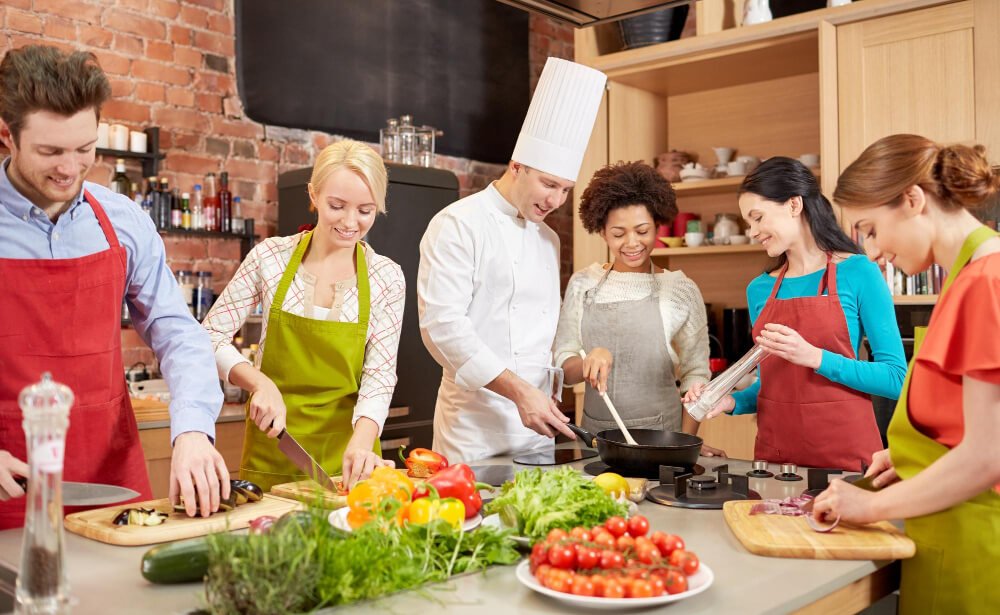
Cooking classes have gained remarkable traction as a revenue strategy, with the global market projected to reach INR 37971.20 billion by 2032. Essentially, 50% of consumers now express interest in restaurant cooking classes, creating a golden opportunity to monetize culinary expertise.
Key features of cooking classes
Effective cooking classes typically include:
- Format options – demonstration-style classes where guests observe or hands-on sessions where participants actively cook
- Well-planned duration – 2-3 hours including instruction, cooking, and communal dining
- Appropriate pricing – ranging from INR 2109.51 to INR 8438.05 per hour depending on complexity
- Skill-appropriate content – recipes that align with your restaurant’s identity yet remain approachable
Benefits of cooking classes
Beyond ticket sales, cooking classes help convert first-time guests into loyal patrons. They create opportunities for additional revenue during traditionally slower periods. Markedly, cooking classes position your restaurant as a culinary authority while facilitating deeper customer relationships.
How to implement cooking classes?
Begin by deciding between demonstration or hands-on formats based on your space and staff capabilities. Ensure proper legal compliance including business licenses, health department clearance, and liability insurance. Thereafter, develop effective marketing through your website, social media channels, and direct outreach to existing customers.
Best use cases for cooking classes
Cooking classes work exceptionally well for restaurants with distinctive culinary identities. They appeal to various demographics including foodies, busy professionals, couples seeking date nights, and culinary students. Virtual options have proven viable too—many establishments survived pandemic restrictions by offering online classes with ingredient pickup.
Through strategic implementation, cooking classes can build your brand while creating an additional revenue stream with profit margins potentially double that of regular operations.
Comparison Table
| Revenue Initiative | Key Features | Primary Benefits | Implementation Requirements | Best Use Cases | Market/Revenue Data |
| Delivery & Pickup Services | • Scheduling options • Real-time tracking • Multiple payment methods • Rating systems • Customer support | • Expanded customer reach • Higher order values • Business resilience | • POS system integration • Packaging solutions • Staff training • Delivery protocols | • Peak meal times • Weather-affected periods • Limited seating venues | Global market projected for INR 118.13 trillion by 2025 |
| Meal Kits | • Pre-portioned ingredients • Step-by-step recipes • Chef-designed dishes • Customizable options • Quality packaging | • 40-70% profit margins • Reduced food waste • Enhanced brand presence | • Recipe adaptation • Packaging development • Food safety protocols • Pricing strategy | • Special occasions • Specialty dishes • Family-style meals | Expected to surpass INR 5400.35 billion by 2030 |
| Meal Subscription Program | • Prepaid dining credits • Flexible schedules • Customization options • Exclusive perks • Management features | • Predictable revenue • Increased customer lifetime value • Enhanced loyalty | • Customer behavior analysis • Pricing strategy • Technology platform • Pilot program | • Office locations • Residential areas • Health-conscious customers | 55% of NYC residents willing to subscribe |
| Catering Services | • Customized menus • Professional staff • Equipment/logistics • Beverage service • Special accommodations | • Larger ticket sizes • 50-100% profit margins • Brand exposure | • Kitchen capacity assessment • Menu development • Technology systems • Staff training | • Corporate functions • Weddings • Holiday gatherings | Expected to reach INR 11138.22 billion by 2034 |
| Events & Themed Nights | • Signature concepts • Interactive elements • Professional staffing • Customizable spaces • Marketing integration | • Off-peak revenue • Higher spending • Community engagement | • Event planning • Staff training • Marketing strategy • Management software | • Weeknight events • Corporate gatherings • Seasonal celebrations | 53% of restaurants invest in community events |
| Branded Merchandise | • Quality branded items • Apparel/headwear • Consumable products • Cookbooks • Home goods | • Additional revenue • Higher profit margins • Free marketing | • Product selection • Sales channels • Pricing strategy • E-commerce setup | • Strong brand identity • Holiday seasons • Signature products | 82% of diners willing to purchase |
| Cooking Classes | • Format options • Planned duration • Appropriate pricing • Skill-appropriate content | • Additional revenue • Customer loyalty • Brand authority | • Format selection • Legal compliance • Marketing strategy • Space preparation | • Distinctive cuisines • Date nights • Virtual classes | Market projected to reach INR 37971.20 billion by 2032 |
Conclusion
These seven revenue-boosting strategies represent significant opportunities for restaurant owners like us who aim to grow beyond traditional dining models. The food industry landscape continues to evolve rapidly, thus embracing multiple revenue channels makes perfect business sense right now.
Each strategy offers unique advantages. Delivery services expand your customer reach while meal kits bring your cuisine into customers’ homes. Subscription programs create predictable monthly income, whereas catering services target high-value corporate and special event opportunities. Themed nights transform slow periods into profitable occasions, while branded merchandise turns satisfied customers into walking advertisements. Cooking classes round out these options by monetizing your culinary expertise while building deeper community connections.
We’ve seen throughout this guide that successful restaurants no longer rely solely on in-person dining. The most resilient businesses diversify their revenue streams across multiple channels, creating protection against market fluctuations and seasonal downturns.
Smart restaurant owners recognize that customers crave more than just meals—they desire experiences, convenience, and connection. The strategies outlined above deliver precisely these elements while simultaneously boosting your bottom line.
You needn’t implement all seven ideas simultaneously. Start with one or two strategies that align best with your restaurant’s unique strengths and customer base. Test, refine, and expand methodically. Small steps toward diversification today will build a stronger, more profitable restaurant business tomorrow.
After all, growing your restaurant business demands thinking beyond traditional service models. The modern restaurant thrives not just as a place to eat, but as a multifaceted culinary brand delivering value across various customer touchpoints.
Key Takeaways
Modern restaurants can significantly boost revenue by diversifying beyond traditional dining through strategic implementation of multiple income streams.
• Delivery and pickup services expand reach dramatically – with average delivery orders worth INR 3054.57 (double pickup orders) and global market projected at INR 118.13 trillion by 2025.
• Meal kits generate impressive 40-70% profit margins while reducing food waste by 33% and bringing your restaurant’s brand directly into customers’ homes.
• Subscription programs create predictable monthly revenue – 55% of NYC residents would pay monthly fees, with subscriber lifetime value exceeding regular customers by 200-300%.
• Catering services deliver exceptional returns with 50-100% profit margins and much larger ticket sizes, particularly for corporate events and special occasions.
• Events and themed nights transform slow periods into profit – 53% of restaurants now invest in community events to fill empty tables during off-peak hours.
• Start small and scale strategically – implement one or two revenue streams that align with your restaurant’s strengths before expanding to additional channels.
The most resilient restaurants no longer depend solely on in-person dining. By thoughtfully diversifying revenue streams, you create protection against market fluctuations while meeting modern customers’ desires for convenience, experiences, and connection beyond traditional meals.
FAQs
Q1. What is the 30-30-30 rule for restaurants?
The 30-30-30 rule is a guideline for allocating restaurant revenue. It suggests 30% for food costs, 30% for labor, 30% for overhead expenses, and the remaining 10% for profit. This rule helps restaurant operators maintain balanced expenses while aiming for sustainable profitability.
Q2. How can restaurants boost their sales?
Restaurants can boost sales by implementing strategies such as offering delivery and pickup services, introducing meal kits, starting subscription programs, providing catering services, hosting themed events, selling branded merchandise, and offering cooking classes. These diverse revenue streams can help attract new customers and increase overall sales.
Q3. What are some effective revenue strategies for restaurants?
Effective revenue strategies for restaurants include menu engineering to optimize profitability, dynamic pricing based on demand, efficient reservation management, implementing loyalty programs to encourage repeat visits, and creating promotions for off-peak hours like early-bird specials or happy hours.
Q4. How can restaurants increase their profit margins?
Restaurants can increase profit margins by improving inventory management to reduce waste, utilizing data from POS systems to make informed decisions about menu items, expanding ordering channels to reach more customers, engaging with customers on social media platforms, and controlling overhead costs without compromising quality.
Q5. Why is diversifying revenue streams important for restaurants?
Diversifying revenue streams is crucial for restaurants because it helps create resilience against market fluctuations and seasonal downturns. By offering multiple services like delivery, catering, merchandise sales, and cooking classes, restaurants can generate income from various sources, reducing dependence on traditional dine-in service and creating a more stable financial foundation.