


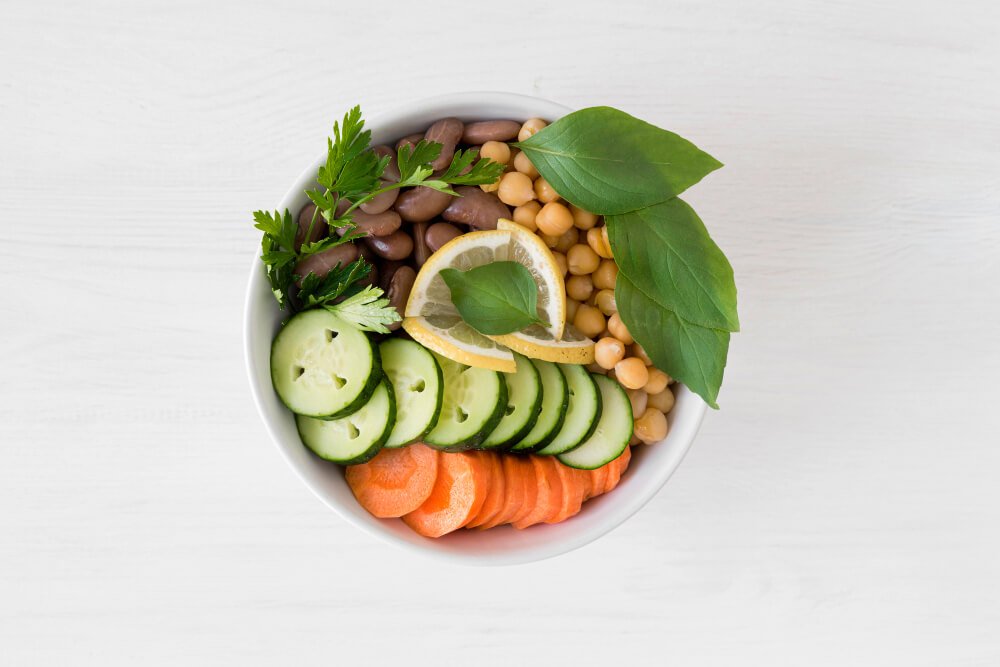
Designing a healthy food menu card that truly resonates with guests is becoming essential as 57% of consumers admit they need to eat healthier. The growing demand for nutritious options isn’t just a passing trend but a fundamental shift in dining expectations that restaurants must address.
In fact, the healthy foods market is projected to expand at an impressive 10.0% compound annual growth rate between 2024 and 2030. This growth is largely driven by changing consumer preferences, with approximately 80% of millennials now preferring healthy eating options as part of their lifestyle changes. Additionally, the global healthy foods market is expected to reach a staggering USD 897.0 billion by 2025.
What’s particularly interesting is how preparation methods influence guest choices. Almost half (47%) of consumers would be more motivated to select healthy options if they were baked or grilled rather than fried. Furthermore, cuisine perception plays a significant role, with more than half (57%) of consumers viewing Greek-Mediterranean cuisine as healthy, followed closely by Japanese cuisine at 53%.
Throughout this article, we’ll explore what “healthy” will mean to diners in 2026, key ingredients guests will expect, effective menu design strategies, and the forward-thinking trends that will shape successful healthy restaurant menus. Whether you’re revamping your existing offerings or creating an entirely new healthy food restaurant menu card, understanding these evolving consumer expectations is critical for future success.
What healthy means to diners in 2026?
The concept of “healthy eating” has evolved dramatically, moving away from simply counting calories to a more holistic approach. As we look toward 2026, the meaning of “healthy” on a restaurant menu card will vary significantly across different consumer segments.
Different definitions of healthy eating
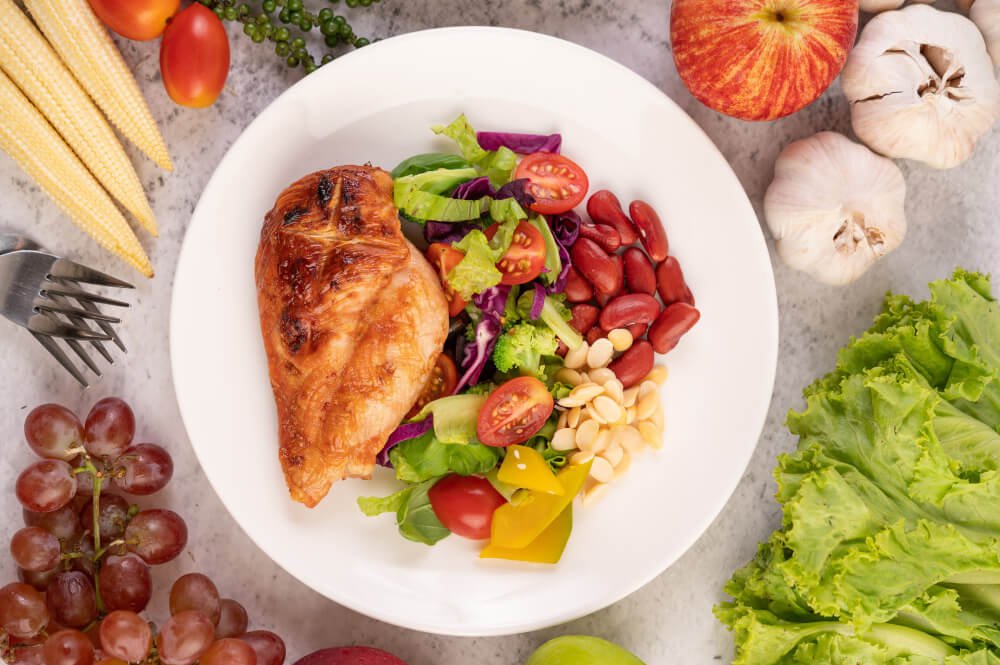
When creating a healthy food restaurant menu card, understanding that “healthy” means something different to everyone is crucial. According to research, if you ask 100 people about their healthy eating habits, you’ll likely get 100 unique responses. This diversity creates both challenges and opportunities for restaurants.
For some diners, healthy food in restaurants means minimally processed meals with clean-label ingredients. Others prioritize functional foods supporting immunity, digestion, and mental health. Meanwhile, a growing segment views food as medicine, seeking options that prevent health conditions and support longevity.
The largest consumer segment in the restaurant market consists of “health seekers” – predominantly young women with medium and low incomes who consider healthy meal availability the most important factor when choosing where to dine. For these guests, a healthy restaurant menu must include dietary and low-calorie options, as lifestyle factors like weight concerns and nutritional knowledge heavily influence their choices.
Top health priorities for modern guests
Currently, nearly half (45%) of consumers are actively trying to reduce their sugar intake, particularly avoiding refined sugars and artificial ingredients. Moreover, the demand for plant-forward options is increasing, with many restaurants now drawing inspiration from Blue Zone principles that promote longevity and vitality.
Most consumers agree that what they eat directly impacts their emotional wellbeing, with over two-thirds of German consumers making this connection. Consequently, guests are seeking not just physically nutritious food, but options that nurture mood and mind – expanding the definition of a healthy food menu card beyond traditional parameters.
Modern guests also prioritize:
- Transparency regarding nutritional benefits and ethical sourcing
- Whole, minimally processed foods with clear nutritional information
- Customizable options accommodating specific dietary needs (gluten-free, keto, paleo)
- Foods with functional properties supporting overall wellbeing
Why expectations are higher than ever?
Currently, more than 80% of people in the U.S. aren’t consuming enough vegetables, fruit, dairy, and seafood. However, awareness around nutrition, sustainability, and overall wellbeing is deepening, making health-conscious dining a baseline expectation instead of an added perk.
Several factors have elevated consumer expectations. First, social media has dramatically increased nutritional awareness. Second, the COVID-19 pandemic prompted many to focus more intently on their health. Third, technological advancements have enabled personalized nutrition tracking, with restaurants now developing ordering apps that sync with fitness trackers or health apps.
The market for health and wellness foods is projected to grow at a compound annual growth rate of 9.4% from 2024 to 2030, reaching USD 1.59 trillion. This growth reflects not just changing preferences, yet a fundamental shift in how consumers view dining out – as a convenient alternative to home cooking that must nevertheless align with their wellness goals.
In essence, restaurants that successfully navigate these diverse definitions of “healthy” while delivering on taste, experience, and personalization will define the future of dining. The healthy food menu card of 2026 won’t just list nutritional information; it will tell a compelling wellness story that resonates across multiple consumer segments.
The foundation of any healthy food menu card rests upon the careful selection of ingredients that align with evolving nutritional understanding and consumer priorities. Modern diners are increasingly knowledgeable about what constitutes truly healthful eating, expecting restaurants to meet elevated standards beyond simple calorie counts.
Locally sourced and organic produce
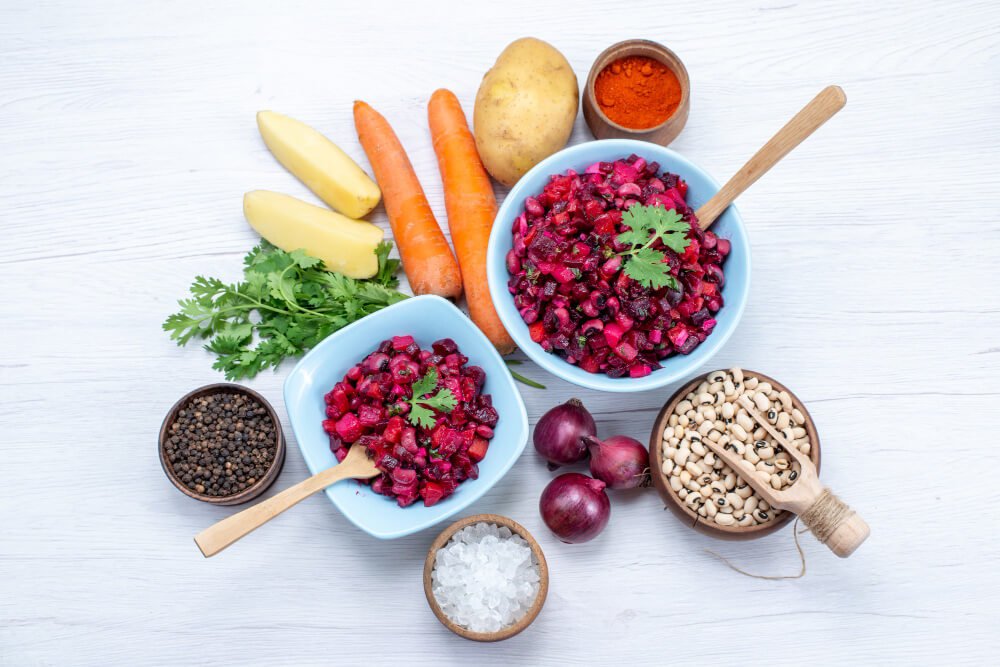
The organic food movement has firmly established itself in restaurant expectations, with the global organic food market projected to reach INR 20892.60 billion by 2030, growing at a steady 6.02% CAGR. For restaurant operators, this translates to mounting pressure to incorporate certified organic ingredients, typically comprising 70-95% of menu items to qualify as an “organic restaurant”.
Beyond certification, guests increasingly want transparency regarding food origins. Many diners are willing to pay premium prices specifically for dishes highlighting local sourcing, which they associate with freshness, quality, and community support. This trend aligns with operational advantages too, as seasonal rotation of locally-sourced ingredients keeps menu offerings fresh and unique.
Plant-based and alternative proteins
Plant-forward options have transcended niche status to become mainstream expectations. Currently, 49% of U.S. consumers report they would likely order plant-based dishes, with 59% already eating meatless meals at least weekly.
What’s changing, though, is the sophistication of these offerings. In place of heavily processed alternatives, guests in 2026 will seek more nutritious, whole-food protein options like:
- Jackfruit, lentils, and chickpeas prepared in familiar formats
- Novel plant-based seafood alternatives including carrot “salmon” and mushroom “scallops”
- Fermentation-derived proteins that mimic traditional meat without extensive processing
For successful integration, restaurants should position plant-based options alongside conventional dishes rather than segregating them into separate “vegetarian” sections, allowing these items to be perceived as mainstream choices.
Low-sugar and low-sodium options
Health-conscious diners increasingly recognize the negative impacts of excessive sodium and sugar. By 2026, the demand for zero-sugar options will continue rising due to “increasing education on the dangers of sugar and the prevalence of diabetes”.
Creating truly health-forward menus requires thoughtful sodium reduction strategies. Effective approaches include:
Offering fresh-prepared items cooked to order without added salt, incorporating low-sodium condiment alternatives like olive oil or vinegar in place of salt-heavy sauces, and featuring naturally lower-sodium vegetables, fruits, and whole grains as menu foundations.
Restaurants that successfully implement these strategies can highlight these benefits through subtle menu notations rather than explicitly marketing “low-sodium” positioning.
Superfoods and functional ingredients
Perhaps the most significant evolution in healthy menu expectations centers around functional foods—ingredients with benefits beyond basic nutrition. Currently, revenue from functional foods has skyrocketed from INR 4640.92 billion in 2015 to over INR 24639.09 billion in 2021.
Primarily, guests seek foods that support immune function, reduce stress, and promote digestive health—and they’re willing to pay premium prices for these benefits. Top functional ingredients appearing on forward-thinking menus include ancient grains like quinoa, spices such as turmeric and ginger, botanicals like lavender, and nutrient-dense whole foods including avocados and flaxseeds.
First of all, fermented foods (sauerkraut, kimchi, kombucha) have emerged as particularly valuable menu additions, offering both probiotic benefits and distinctive flavor profiles that enhance dishes without compromising taste.
How preparation methods influence guest choices?
The cooking method used to prepare a dish plays a pivotal role in its nutritional profile, often determining whether guests perceive it as a healthy choice. Research reveals that almost half of consumers (47%) would be more motivated to select healthier options simply based on how they’re prepared.

Grilled, baked, and steamed over fried
Cooking techniques dramatically impact both nutritional content and guest perception of food. Grilling stands out as a popular method that enhances natural flavors while allowing excess fat to drip away, resulting in lower-calorie dishes compared to fried alternatives. This technique develops a charred, slightly caramelized surface that many diners find appealing without sacrificing nutritional value.
Baking and roasting use indirect heat to cook food evenly while requiring minimal oil—typically just a light spray or brush. These methods preserve nutrients effectively, especially when foods are baked in parchment paper or foil parcels with a small amount of liquid. Similarly, steaming ranks among the healthiest cooking techniques, helping retain nutrients, vibrant colors, and natural textures of vegetables and seafood.
Minimal processing and clean cooking
Today’s health-conscious consumers increasingly associate minimally processed foods with better nutrition. This preference stems from research showing that minimal processing helps retain nutritional quality and sensory characteristics by reducing reliance on heat as the main preservative action.
Clean cooking techniques—methods that preserve food quality with reduced technological input—align with growing consumer perception that fresher food is healthier than heavily heat-treated alternatives. For restaurant operators, this means showcasing simple preparation methods on your healthy food menu card design can significantly influence guest choices.
Portion control and calorie transparency
Beyond the cooking method itself, portion size substantially impacts whether a dish qualifies as “healthy.” A well-designed healthy restaurant menu balances indulgence with appropriate portions—allowing guests to enjoy favorite foods without excessive calories.
Providing calorie information has become increasingly important as guests seek transparency. Notably, studies indicate that dishes prepared using healthier cooking methods (like grilling or steaming) often require less caloric density from oils and fats to achieve satisfying flavor profiles.
To create a successful healthy food restaurant menu card, consider highlighting preparation methods prominently in dish descriptions, as these details often serve as key decision factors for health-conscious diners.
The visual presentation of your menu can either boost revenue or confuse customers, making effective design crucial for success. A carefully crafted healthy food menu card does more than list nutritious options—it subtly guides dining choices and creates lasting impressions.
How to make a healthy food menu card visually appealing?
The appearance of your menu directly influences customer perceptions and purchasing decisions. In fact, a poorly designed menu can lead to confusion and reduced revenue, while a thoughtfully designed one enhances the dining experience and increases check values. Beyond simply listing dishes, effective healthy food menu card design uses vivid descriptive language that excites multiple senses. Replace basic descriptions with sensory-rich terms like “velvety,” “aromatic,” or “crispy golden” to make healthy options more appealing.
Labeling for dietary needs (vegan, gluten-free, etc.)
Given rising awareness of food allergies and dietary preferences, clear labeling is now essential on any healthy restaurant menu. Accordingly, place small, easily visible universal icons (such as a green leaf for vegetarian or “GF” for gluten-free) next to each dish. For key allergies, consider direct statements like “Contains Nuts” or “Contains Dairy” to ensure guest safety.
Using icons and symbols for quick understanding
Strategic use of icons enhances menu navigation and highlights key information. Primarily, the right menu icons create recognizable visual elements that improve user experience—crucial since 88% of online consumers are less likely to return to a site after a poor experience. For your healthy food restaurant menu card, use design elements like:
- Star icons or distinct borders to highlight high-margin healthy specialties
- Universal symbols for dietary preferences (V for vegan, etc.)
- Simple callouts for chef’s recommendations or house specialties
Balancing indulgence with health
Creating a successful healthy food menu requires balancing nutritional options with indulgent choices. Generally, a thoughtful menu mix should include “some things that are indulgent, some things that are balanced and some things… designated as clearly healthful offerings”. Portion control offers another effective strategy—including snack-sized or small-plate savory items and mini-desserts like one-bite truffles satisfies flavor cravings without compromising health goals.
Restaurant technology and sustainability innovations are rapidly reshaping what guests will expect from healthy menus by 2026.
AI-driven personalization of meals
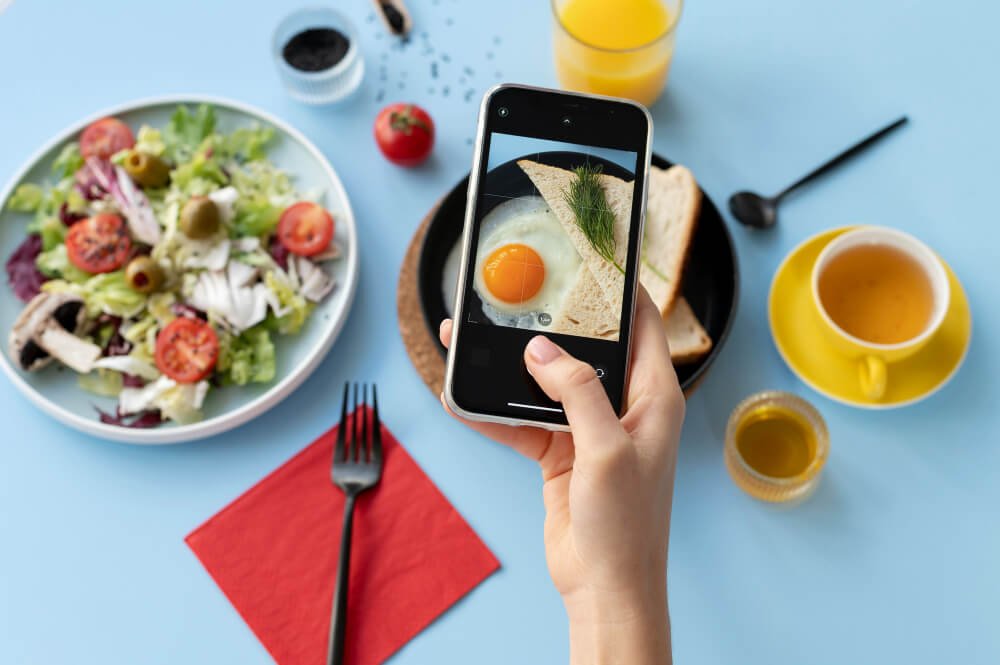
In the next couple of years, menu personalization will evolve from simple memory-based systems to sophisticated recommendation engines that analyze underlying taste preferences. These systems will incorporate factors like weather conditions, time of day, and even data from fitness trackers to predict what would satisfy customers at particular moments. Currently, 36% of consumers express positive attitudes toward AI, with enthusiasm highest among younger generations. AI-powered food recommendations will enhance accessibility for individuals with dietary needs and promote healthier lifestyles through nutritious meal suggestions.
Zero-waste and sustainable menu planning
By 2026, zero-waste practices will become standard expectations rather than differentiators. Restaurants can be certified as zero-waste when they divert 90% of waste from landfills. First and foremost, this approach reduces environmental impact—food waste in landfills generates methane with 25 times the global warming potential of carbon dioxide. Beyond environmental benefits, restaurants save approximately INR 590.66 for every INR 84.38 invested in food waste-reduction activities.
Hyper-local and seasonal ingredients
The farm-to-table movement is evolving into hyper-local sourcing, where ingredients come from within immediate vicinity of restaurants. This approach reduces transportation emissions, minimizes packaging waste, and ensures superior freshness. Additionally, many hyper-local restaurants embrace nose-to-tail or root-to-stem approaches that reduce overall food costs while supporting sustainability.
Nutrition-focused dining experiences
Looking ahead, restaurants will increasingly integrate with wearable technology and health data to create personalized dining experiences aligned with wellness goals. Moreover, approximately 53% of diners actively seek healthier options, while 43% specifically desire more high-protein meals. Restaurants will capitalize on this trend through tailored offerings that address specific health objectives.
Conclusion
As we look toward 2026, the transformation of healthy restaurant menus reflects a fundamental shift beyond mere calorie counting. Health-conscious dining has evolved into a sophisticated expectation rather than an optional feature. Certainly, restaurants that thrive will embrace multiple dimensions of “healthy” – from locally sourced organic ingredients to transparent preparation methods that preserve nutritional integrity.
The future belongs to establishments that recognize different consumer definitions of health while integrating plant-forward options, functional ingredients, and minimally processed foods. These restaurants will design menus that visually guide guests through nutritious choices with clear icons, sensory-rich descriptions, and thoughtful labeling for various dietary needs.
Forward-thinking restaurants must balance indulgence with nutrition, offering portion-controlled options that satisfy cravings without compromising wellness goals. Additionally, emerging technologies will enable unprecedented personalization, allowing guests to align their dining experiences with specific health objectives and dietary preferences.
Sustainability practices such as zero-waste planning and hyper-local sourcing will become baseline expectations rather than competitive advantages. Restaurants that tell compelling wellness stories through their menus while delivering exceptional flavor profiles will define successful healthy dining experiences.
The restaurant industry stands at a pivotal moment where health, sustainability, technology, and culinary creativity converge. Guests expect nutritious options that support both physical wellbeing and emotional satisfaction – delivered with transparency, personalization, and environmental responsibility. Though challenging, this evolution presents extraordinary opportunities for restaurants ready to reimagine their approach to healthy menu development.
Key Takeaways
The restaurant industry is experiencing a fundamental shift toward health-conscious dining, with 57% of consumers actively seeking healthier options and the healthy foods market projected to reach $897 billion by 2025.
• Health definitions vary widely – Create diverse menu options since “healthy” means different things to different guests, from clean-label ingredients to functional foods supporting immunity and mental wellbeing.
• Preparation methods drive choices – Highlight grilling, baking, and steaming over frying, as 47% of consumers are more motivated to choose healthy options based on cooking techniques alone.
• Plant-forward proteins are mainstream – Incorporate sophisticated whole-food plant proteins like jackfruit and lentils, as 49% of U.S. consumers now regularly order plant-based dishes.
• Visual design influences decisions – Use clear icons, sensory-rich descriptions, and strategic labeling for dietary needs to guide guests toward healthy choices and increase menu navigation efficiency.
• Technology enables personalization – Prepare for AI-driven menu recommendations and integration with fitness trackers to create customized dining experiences aligned with individual wellness goals.
The successful healthy restaurant menu of 2026 won’t just list nutritional information—it will tell a compelling wellness story that balances indulgence with health while embracing sustainability, transparency, and technological innovation to meet evolving guest expectations.
FAQs
Q1. How are restaurant menus expected to change by 2026 to meet health-conscious diners’ expectations?
By 2026, restaurant menus are likely to feature more locally sourced organic produce, plant-based proteins, and functional ingredients. They will also emphasize preparation methods like grilling and steaming, offer personalized meal options, and provide clear nutritional information to cater to diverse health priorities.
Q2. What role will technology play in healthy restaurant menus of the future?
Technology will enable AI-driven meal personalization, integrating factors like weather, time of day, and even data from fitness trackers to suggest appropriate dishes. It will also facilitate nutrition-focused dining experiences, allowing guests to align their meals with specific wellness goals.
Q3. How can restaurants make their healthy menu options more appealing to customers?
Restaurants can make healthy options more appealing by using vivid, sensory-rich descriptions, incorporating icons for quick understanding of dietary information, and strategically positioning these items alongside conventional dishes. Additionally, offering portion-controlled indulgences can satisfy cravings without compromising health goals.
Q4. What sustainable practices are becoming standard in healthy restaurant menus?
Zero-waste menu planning and hyper-local sourcing of ingredients are becoming standard practices. These approaches not only reduce environmental impact but also ensure fresher ingredients and can lead to cost savings for restaurants.
Q5. How is the definition of “healthy eating” evolving for restaurant guests?
The definition of healthy eating is expanding beyond calorie counting to include factors like minimal processing, functional benefits, and ethical sourcing. Guests are increasingly seeking options that support not just physical health, but also emotional wellbeing and environmental sustainability.